Motorcycles are taking over Spanish roads, but city layouts still favor cars. Riders and industry leaders now demand dedicated lanes and updated rules as daily commutes turn into a fight for space.
Motorcycles now fill Spanish streets in numbers city planners never expected. But the roads still cater to cars. This mismatch is turning daily travel into a struggle between what people need and what the city offers.
A new study from ANESDOR and motos.net shows 88% of motorcyclists want their own lanes on main city roads. This is not just talk. Motorcycle use is rising fast, and the streets are not changing to match.
In August 2026, Spain registered 22,440 new motorcycles, marking a 21.3% increase compared to the previous year.
The survey also found that 95% of riders back new rules letting motorcycles use the right shoulder during traffic jams. This matches changes coming to the Reglamento General de Circulación on October 1. Riders who face daily gridlock are nearly all calling for this change.
The old idea that motorcycles are just for weekends is fading. Four in ten riders use their bikes every day. Nearly half ride to work or school. In Madrid and Barcelona, motorcycles are now a key way to get through traffic, not just a hobby.
But as more people ride, the roads stay stuck in the past. Riders say the city needs to keep up with the growing number of bikes. The gap is clear: more motorcycles, more riders, but the same old roads.
From October 1, 2026, new traffic rules will allow motorcycles to use the right shoulder in traffic jams, but only on sections specifically authorized and marked by signage, with a speed limit of 30 km/h and single-file riding. At the same time, motorcyclists will be required to wear protective gloves on intercity roads and closed footwear on all roads.
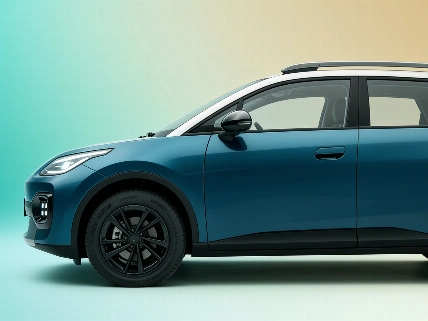
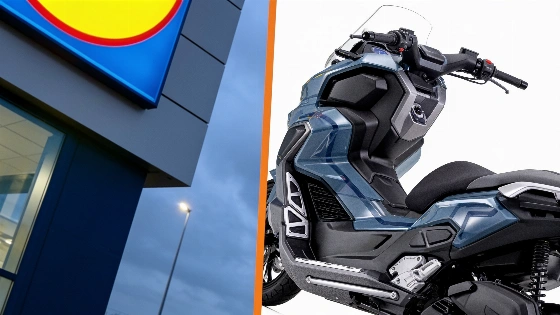
The market numbers tell the same story. More than half of current riders plan to buy a motorcycle in the next year. That is a jump of 12 points from last year. Most will buy used bikes. Only one in five is looking at a new one. Chinese brands are getting more popular. Over half of those surveyed would buy from China, mainly because of lower prices.
Marcel Blanes from motos.net and José María Riaño from ANESDOR put it simply: "The study confirms the sector’s strong health: purchase intentions are rising for both new and used motorcycles. Interest in Chinese brands shows a consumer increasingly sensitive to price."
Still, many riders feel stuck with roads that ignore them. The push for shoulder access and special lanes is not about getting ahead. It is about staying safe in a system that treats motorcycles as an afterthought. For many, the real problem is not buying a bike, but finding a safe way to use it every day.
This fight is part of a bigger debate about how people move around in Spain. Cities have focused on cars, bikes, and public transport. As reported earlier, even cyclists face more danger as traffic changes and the roads lag behind.
Spain’s cities now face a choice. Policymakers must decide if motorcycles are a real part of daily travel, not just a side note. The numbers are clear. Motorcycles are not going away. Cities that do not adapt will see traffic get worse. Urban planning needs to catch up with what is happening on the streets.