Miguel Induráin, Spain’s most decorated cyclist, warns that roads are getting riskier for cyclists as traffic grows. With thousands of crashes every year, he calls for respect and early education to save lives.
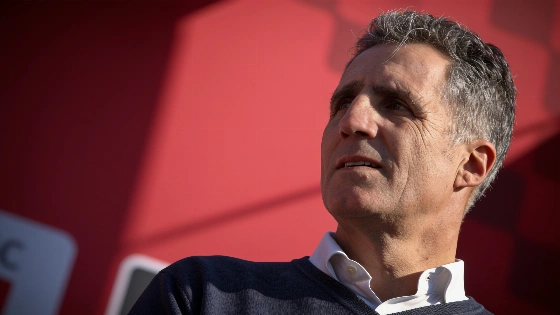
In Spain, between 40 and 90 cyclists die on the roads each year. These aren’t just numbers. They show what happens when cars, bikes, and people all fight for space. The result is often deadly. Miguel Induráin, the only Spaniard to win five Tours de France in a row, knows these dangers well. He says the risks are only getting worse.
“Our sport has always been dangerous and today even more so because there are more cars, more traffic, and more cyclists. It is difficult for accidents not to happen,” Induráin told El Larguero. He doesn’t get lost in policy talk or statistics. He points straight to the problem: Spanish roads are packed, and that makes them more dangerous than ever.
Starting October 1, 2026, Spanish drivers overtaking cyclists must reduce their speed by at least 20 km/h below the posted limit and maintain a 1.5-meter lateral distance, or face a €200 fine and 6 penalty points.
The Dirección General de Tráfico reports about 7,000 traffic incidents with cyclists every year. Most happen in cities, where traffic is thick and cars and bikes are always trying to get ahead. Cyclists, the most exposed on the road, pay the price when drivers and riders don’t share responsibility.
Induráin’s answer is simple but tough: respect and education. “As a cyclist and as a driver, you must respect the rules. With respect, we will always reach a good end,” he says. He wants more than just tougher rules. He wants a change in attitude, starting with kids learning road safety and how to spot risks from the start.
His warning comes as more people in Spain turn to bikes for health, the environment, or to save money. But roads and attitudes haven’t kept up. That leaves cyclists fighting to stay safe, especially in cities where cars and bikes mix in tight spaces. As reported earlier, the open road draws many, but the risks are real and can’t be ignored.
In urban areas, new regulations require drivers to keep at least 5 meters behind a cyclist in the same lane, with violations subject to fines. According to official DGT communications, these reforms are part of a broader strategy to protect vulnerable road users and address persistent risks from improper overtaking and insufficient distance.
Induráin’s wins are part of cycling history. But his push for safer roads could matter just as much. The DGT’s numbers are a warning, not just a count. Without real respect, better education, and strong enforcement, too many cyclists will keep dying. Spain faces a clear choice: protect people on bikes, or let the death toll keep rising.