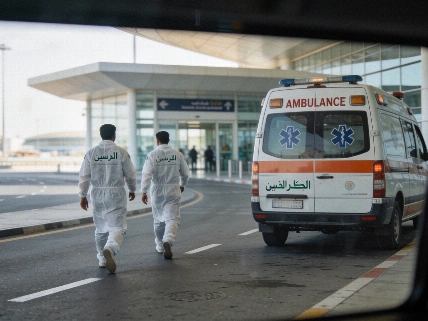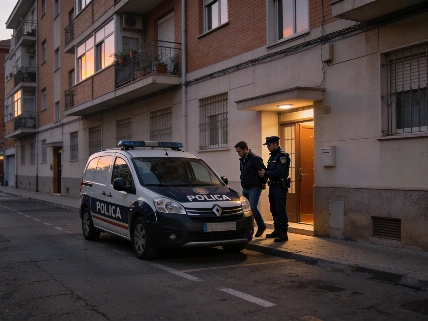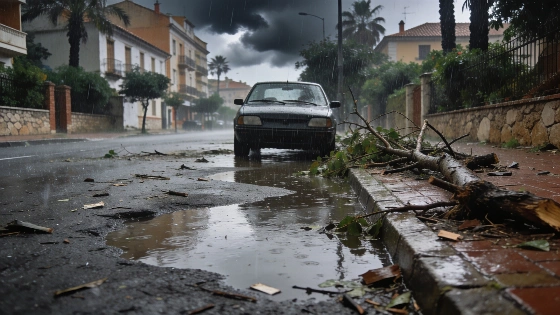
A violent storm brought flash floods and major transport disruptions to Barcelona. Metro lines, roads, and the airport all faced severe interruptions as emergency services responded to hundreds of incidents across the city.
Barcelona was thrown into chaos when a sudden Mediterranean storm triggered flash floods, closing metro stations, grounding flights, and leaving cars stranded in flooded tunnels. The city’s infrastructure struggled to cope with the heavy rain, and emergency crews were called out to handle a surge of incidents across the metropolitan area.
Public transport was hit especially hard. Three main stations on Metro Line 1—Sant Andreu, Fabra i Puig, and Trinitat Vella—were closed after water poured through ceilings and flooded platforms. Line 4 ran only between La Pau and Verdaguer, and the secondary entrance at Torre Baró i Vallbona on Line 11 was shut, reducing service to a short section. At Fabra i Puig, passengers watched water cascade from above, a clear sign of the storm’s force.
Rail and air travel were also disrupted. Adif reported a halt on the R4 Rodalies line at Montcada Bifurcació due to signal failures, causing delays of up to 20 minutes on the R2, R3, and R4 lines. There is currently no reliable confirmation of the figure of "23 cancelled flights" at El Prat Airport; this number should be checked with official airport or AENA sources before publication. Multiple independent outlets confirmed that local flooding affected not only metro stations but also major roads, pointing to a citywide breakdown in mobility rather than isolated problems.
On the roads, the Ronda de Dalt was partly closed after flooding, with exits 2 and 3 blocked and vehicles trapped in tunnels until firefighters arrived. Main routes including the AP7, C-58, and C-17 saw heavy traffic, with the C-58 especially slow between Ripollet and Barcelona and the C-33 backed up from La Llagosta. The Catalan Traffic Service (SCT) reported that the B-20/Ronda de Dalt was closed in the Santa Coloma de Gramenet area due to flooding, with only one lane open in one direction, adding to the traffic problems.
As the evening went on, emergency alerts increased. Protecció Civil sent an ES-Alert to residents in Barcelonès and Maresme, warning of flash floods and urging caution for the next two hours. The alert was later extended to Baix Llobregat, Garraf, Alt and Baix Penedès, and Vallès Occidental, and stayed in effect until 01:00. The president of the Generalitat, Salvador Illa, called on the public to follow all safety advice. Protecció Civil also asked residents to strictly follow instructions and avoid travel during the worst of the storm.
Government of Catalonia
Hydrological risks rose in Vallès Occidental, where authorities warned of sudden river surges and told residents to stay away from streams. In Alt Penedès and l'Anoia, the threat of hailstones over two centimeters and wind gusts above 90 km/h led to more warnings. The Agència Catalana del Aigua stressed the danger of rapidly rising water in local rivers and torrents.
Inside Barcelona, the storm’s effects were immediate. Streets in the Horta neighborhood flooded, and part of the roof at Hospital Vall d'Hebron collapsed. Basements across the city filled with water. Between 20:00 and 22:00, firefighters received 74 calls—mostly for flooding and leaks in Barcelonès. Another 70 calls came in the next hour as water made many roads impassable. The 112 emergency line logged 664 calls for 445 separate incidents, with 399 from Barcelona alone.
Even sports events were affected. The FC Barcelona vs Racing de Santander match went ahead despite the weather, but the Levante-Athletic de Bilbao game was suspended. Protecció Civil coordinated the safe exit of fans from Camp Nou, showing the scale of the disruption.
As the storm continued, authorities expanded alerts to cover more areas and hazards, including hail and strong winds. The rapid rise in incidents and the pressure on emergency services exposed how vulnerable city infrastructure is to extreme weather. This episode fits a pattern of increasingly volatile Mediterranean storms, which has pushed local governments to update emergency plans and invest in more resilient systems. For more on how regional crises are shaping policy, see this earlier breakdown.
The events in Barcelona show how a single night of severe weather can bring a major city to a standstill. The quick succession of alerts, transport shutdowns, and emergency calls revealed the limits of current preparedness. As climate patterns shift, the strain on urban infrastructure and emergency planning is likely to grow. The city’s response was fast but stretched, highlighting the need for ongoing investment in flood defenses and crisis management across the Mediterranean region.