From October 2026, motorcycles in Spain will be permitted to use certain right hard shoulders when traffic is at a standstill. The move comes with strict requirements, including a 30 km/h speed cap and mandatory signage, reshaping how riders navigate gridlock.
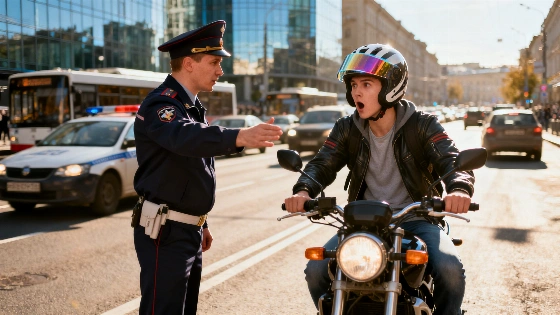
Starting 1 October 2026, motorcyclists in Spain will be allowed to use the right hard shoulder on some roads when traffic is completely stopped. This change, set out in Real Decreto 518/2026, is part of a broader update to the General Traffic Regulations and aims to improve motorcycle safety. The new rule is tightly controlled and does not give motorcycles free access to all shoulders.
Only certain stretches of road will be included. These must be specifically approved and marked with permanent signs and clear road markings. If a traffic jam happens on a section without these markings, motorcycles cannot use the shoulder. The decision to authorize a stretch will be made by the road owner and the Dirección General de Tráfico, sometimes with input from regional or local authorities. Riders themselves do not have a say in which shoulders are included. Reports from Motor16 and Theuth note that this process is meant to ensure only carefully evaluated sections are part of the scheme.
A violation of the new shoulder rule will result in a €200 fine for motorcyclists, as confirmed by multiple independent sources.
Even on approved stretches, the rules are strict. The main lanes must be at a complete standstill—slow-moving traffic does not count. As soon as cars start moving again, motorcycles must return to the regular lanes. Riders must travel in single file and cannot exceed 30 km/h. This is a hard speed limit, not a suggestion, and riders are expected to adjust their speed to the actual conditions. Sur in English reports that the speed cap will be enforced strictly.
The reform does not turn the shoulder into a permanent motorcycle lane. Vehicles that are already required to use the shoulder, such as certain slow-moving or emergency vehicles, still have priority. Motorcyclists must yield and, if needed, leave the shoulder to avoid getting in the way. The rule does not give motorcycles the right to force others aside or treat the shoulder as their own lane. Several reports stress that the shoulder remains primarily for its original users.
The regulation spells out specific scenarios. If traffic is stopped but the shoulder is not authorized and marked, motorcycles cannot use it. If the shoulder is authorized but traffic is still moving, the exception does not apply. Both conditions—proper signage and a full stop in the main lanes—must be met for motorcycles to use the shoulder, and only under the strict rules described.
The reform is part of a wider package of safety measures for motorcyclists, including new requirements for protective gear and updated road markings on dangerous curves, as reported by several Spanish news outlets.
There is currently no list of automatically authorized roads. Each stretch must be individually approved and marked before the rule takes effect. Until October 2026, the current restrictions remain, and using the shoulder to bypass traffic jams is still not allowed for motorcycles.
This change is a cautious step to address the needs of motorcyclists while keeping safety as the priority. By limiting the exception to clearly marked stretches and requiring a full stop in traffic, authorities aim to prevent misuse. The new rule may help some riders during gridlock, but it comes with enough restrictions to avoid reckless use. For now, the main message is that patience and careful attention to the rules are required for this privilege to work safely on Spanish roads.