Armona Island in Portugal’s Algarve is almost unknown, even though it’s close to Spain. No cars, no big hotels, and just 53 residents mean quiet beaches and real nature, even in autumn.
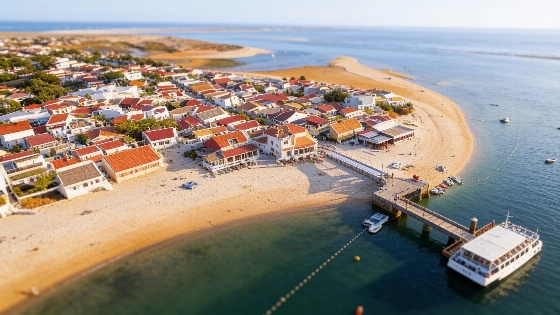
Armona Island does not allow cars. This is not a slogan. It is daily life. The island sits just off Portugal’s Algarve coast, a short ferry ride from Olhão. Only 53 people live here all year. Instead of engines and horns, you hear wind in the dunes and seabirds calling far off.
Step off the ferry and you enter a place that feels frozen in time. Sandy paths wind between low, colorful houses. Most belonged to fishermen. You walk everywhere. There are no supermarkets. No nightclubs. No big hotels. Armona stretches for nine kilometers. Dunes, marshes, and beaches fill the island. Mass tourism has not taken over. Regional tourism sources confirm that Armona is only reachable by boat from Olhão. Ferry times change with the season for locals and visitors.
Ria Formosa, which includes Armona Island, is a protected lagoon system stretching about 60 km along the eastern Algarve and is recognized for its ecological importance.
Past the cluster of homes, the island turns wild. A wooden walkway leads from the houses to the Atlantic. It takes about 20 minutes on foot. At the end, you find a huge stretch of pale sand and blue water. When the tide is low, sandbanks appear. Shallow pools shine in the sun. On one side, the open Atlantic. On the other, the calm waters of Ria Formosa Natural Park. This wetland covers more than 18,000 hectares. Independent travel guides note that Armona has little urban development. No cars. Only a few small bars and restaurants near the pier.
Armona’s isolation is real. Even in September and October, when most of southern Europe has cooled, the beaches stay quiet. No cars. No big hotels. Crowds never show up. The dunes, marshes, and long sand keep their lonely feel. That is rare on Europe’s coast. Guidebooks say the 53-resident figure is a media estimate. Official municipal numbers are not public.
Nature rules here. The marshes of Ria Formosa are a key stop for migrating birds. Flamingos and spoonbills often feed in the channels. If you like to explore, a simple walk can turn into a birdwatching trip. You see a side of the Algarve most people miss.
The region is actively promoted as a destination for peaceful marine tourism and day trips, with Armona and neighboring islands accessible by boat from Faro, Olhão, Fuseta, and Tavira. Compared to mainland resorts, these islands offer a quieter and more authentic experience, as highlighted by several independent travel publications.
But Armona is not rough living. Near the pier, a few family-run bars and restaurants serve local food. Grilled fish, octopus, and seafood stews are common. You can sit and eat before catching the boat back. No roads. No parking lots. The view is sand and sea, not cars.
If you are used to the busy Costa del Sol or the Algarve’s crowded resorts, Armona’s slow pace may feel strange. But if you want a real escape, this is it. Wild beaches. Real quiet. The Atlantic as it once was. Even as electric cars change travel elsewhere—like the recent jump in Spanish car sales—Armona stays the same. What it lacks is part of its charm.
In a region where building often wins over nature, Armona’s simple way is its strength. No cars. No high-rises. No crowds. The island is a rare place for those who want real peace. As autumn comes to southern Europe, Armona proves you can still find a true escape—if you know where to look.