Barcelona’s municipal libraries, including the acclaimed García Márquez, remain closed as staff extend their indefinite strike. Workers demand better pay, improved schedules, and safer conditions. Negotiations with the city are stalled.
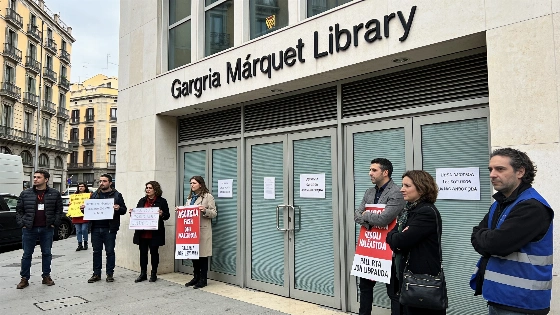
Barcelona’s public library system faces a deepening crisis as nearly all municipal libraries, including the internationally recognized García Márquez, remain closed due to an indefinite strike that began in May. The shutdown, which intensified on September 1, highlights a standoff between almost 500 library staff and the city’s administration over pay, working hours, and job conditions.
Staff, represented by Intersindical and CGT unions, have staged rolling closures—alternating mornings, afternoons, and weekends—since the strike began. Their demands center on more predictable schedules to support work-life balance, higher salaries, and improved workplace safety. Many employees currently work weekly shifts of up to 11 consecutive hours, a practice unions argue is unsustainable and particularly challenging in a sector where most workers are women.
The dispute stems from the requirement that library staff adhere to a municipal agreement designed mainly for city officials with standard morning hours. Negotiations have stalled, with unions insisting the agreement fails to address the unique needs of library workers, such as variable opening times and direct public service. The city’s offer to increase staff by 25 is seen as insufficient, with unions calling for at least double that number to meet growing demand.
Beyond pay and hours, staff are also pushing for a citizen service bonus, similar to those received by other municipal workers, and a formal protocol to address external threats like theft or harassment. According to union representatives, library employees often assist vulnerable users with digital paperwork and social services, far beyond traditional library duties. The García Márquez library, named the world’s best in 2023, has become a vital community hub and climate refuge, especially during extreme weather, but resources have not kept pace with rising visitor numbers.
Management from the Consorcio de Bibliotecas claims progress has been made, citing 13 negotiation sessions and proposals such as a 35-hour workweek for auxiliary staff and an 8% pay increase. However, unions counter that these measures merely incorporate existing benefits from the Diputación de Barcelona and do not address core issues. The lack of minimum service requirements for libraries, as they are not classified as essential, means closures can occur whenever staffing is insufficient.
The strike has drawn public attention with demonstrations outside landmarks like the Sagrada Familia, where workers have highlighted chronic understaffing and the growing complexity of their roles. The situation echoes broader labor unrest in Catalonia’s public sector, as seen when teachers recently rejected a government deal, threatening the start of the school year—a development covered in detail in recent reports on education sector strikes.
Barcelona’s library network comprises 41 branches, serving as essential social infrastructure for residents. In recent years, libraries have become not only centers for learning and culture but also safe spaces for vulnerable populations and relief from extreme heat. The ongoing strike underscores the tension between rising public expectations and the resources allocated to meet them. As negotiations remain deadlocked, the city faces mounting pressure to resolve the dispute and restore full library services.
For context, Spain’s public libraries are among the most visited cultural institutions in the country, with millions of annual users. The García Márquez library’s international recognition has brought additional scrutiny to Barcelona’s handling of the crisis. The outcome of these negotiations could set a precedent for other Spanish cities facing similar challenges in their public services.