A fast-moving wildfire in Benahavís led to the evacuation of Montemayor Alto and a lockdown for other neighborhoods. One resident and a firefighter were injured. Authorities urge everyone to follow safety instructions closely.
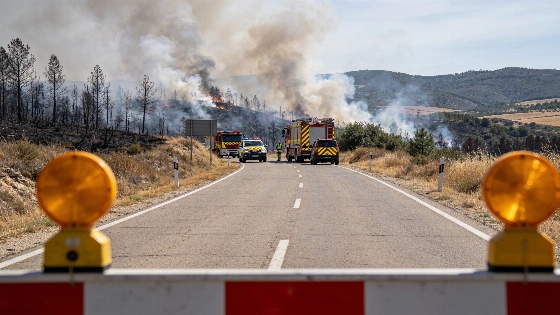
Emergency sirens and mobile alerts broke the quiet in Benahavís as a wildfire swept through the outskirts, forcing the evacuation of the Montemayor Alto neighborhood and a strict lockdown for the rest of the town. Residents rushed to get to safety as thick smoke covered the area and visibility dropped along the A-7175 road.
The fire started near midday. Within hours, the Andalusian Emergency Agency (EMA) activated the Es-Alert system, telling people to stay inside solid buildings, seal doors and windows, and use masks if they had to go outside. The warnings were urgent: one resident was burned while trying to fight the fire, and a forest firefighter was injured in a fall during the response. According to official reports from TodoAlicante and ABC Andalucía, the fire began at about 13:07 on September 13, 2026, in the Ermita del Rosario area. By 14:00, authorities had declared emergency phase 1.
"Smoke from the Benahavís wildfire was visible far beyond the town, reaching parts of the Costa del Sol as winds pushed the flames toward Estepona and the Genal Valley."
— The Olive Press
Firefighting teams responded quickly. Plan Infoca sent fifteen aircraft—eight helicopters and seven planes—to attack the fire from above. On the ground, sixty forest firefighters, four Brica brigades, six operations technicians, and three fire engines worked to contain the flames. Medical teams and environmental agents joined the effort as the fire threatened homes and infrastructure. These details were confirmed by several independent reports and official statements from Plan Infoca and regional authorities.
Traffic on the A-7175 was partly stopped to let emergency vehicles through, with the right lane closed toward the fire. The EMA told people to stay indoors, avoid smoke, and pay special attention to children, the elderly, and anyone with breathing problems. The activation of Infoca’s emergency phase 1 showed how serious the situation was and the need for coordinated action. Europa Press and DGT warned people to avoid the area, showing how emergency and transport services worked together in real time.
Residents of La Coja and scattered homes north and west of Benahavís were told to be ready to evacuate. Those in other areas were warned not to underestimate the risk. The situation was similar to other recent fire emergencies in Spain, such as the fire at the Chazar recycling plant, and highlights the ongoing challenge of responding quickly to extreme weather and environmental hazards.
"Authorities recommended that vulnerable groups—including children, the elderly, and people with respiratory illnesses—keep evacuation essentials ready in case of further orders. Early official communications repeatedly emphasized not to underestimate the risk and to follow all safety instructions closely."
— ABC Andalucía
As the smoke began to clear and emergency teams kept working, the Benahavís fire showed how even well-prepared communities can be caught off guard. The fast response and clear instructions likely prevented more injuries. Still, the incident raises questions about long-term fire prevention, the strength of local infrastructure, and how ready residents are for future emergencies. In a region where wildfires are becoming more common, Benahavís is a reminder that staying alert and acting quickly are the best ways to protect against sudden disasters.