More than 1.6 million establishments in Spain now accept Bizum payments, giving the service access to 20 million people and around 75% of the country's bank terminals. EFE and business newspaper Expansión report that the nearly 20 million eligible users represent about 60% of Bizum's total customer base.
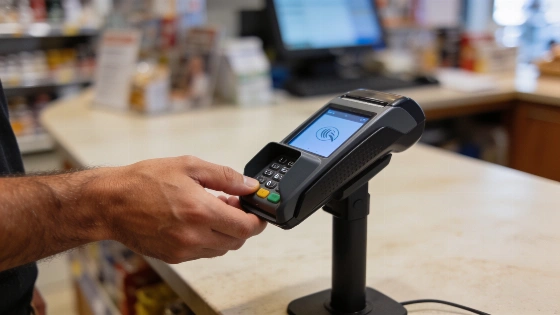
Customers can pay at retail and hospitality venues by transferring money from their bank account while holding their mobile close to a payment terminal. They can use the option through participating banks' applications or Bizum Pay.
On 15 September 2026, Portuguese payment provider Eupago announced the launch of Bizum for local merchants, opening the scheme to Portugal’s retail market and Spanish consumers travelling there.
In recent weeks, users have made an average of three Bizum payments in shops each week. The company has confirmed that terminals at more than 25 major retail chains across different sectors already accept in-person payments. Physical payments are moving beyond the early rollout and into wider everyday use.
Bizum began introducing the function gradually on 18 May 2026. Its stated goal is for the vast majority of the platform's 32 million users to be able to pay in physical stores by December 2026, using a bank transfer initiated on their mobile. Banks are coordinating the expansion, adding the feature to their applications and using their existing terminal infrastructure.
Spain’s Ministry of Justice has reported that Bizum accounts for around 35% of online payments for public services in some procedures. Meanwhile, a debate among tax authorities over reporting professional Bizum receipts is drawing greater attention to how businesses record these transactions.
Bizum Pay became available for Android and iOS devices on 14 July. Its Google Play listing shows another update dated 16 September 2026 and describes it as a Bizum fintech wallet for payments. Access remains temporarily limited to authorised customers and organisations. Since 21 September 2026, the digital wallet has also been available in English and Spain's co-official languages, giving users an option beyond the payment tools built into their banks' own applications.
Banks are driving the expansion, distributing the function to customers and merchants as they add it to their existing applications. Ángel Nigorra, the director general of Bizum, said the banks' coordinated work has been decisive in extending the terminal network and building customer confidence. This approach lets the service use a large share of existing payment infrastructure instead of creating a separate merchant network.
Bizum's underlying infrastructure was already extensive before physical retail payments arrived. In 2025, Spain recorded an average of more than 3.4 million instant transfers through Bizum every day.
The development is separate from an earlier Ceuta report on migrant child centres. It fits the same practical news field, where everyday services increasingly depend on digital access and established institutions.
For customers, in-store payments offer another way to use a service that already handles millions of instant transfers. Merchants can accept Bizum at a large share of existing bank terminals without creating a separate payment network. With 20 million people already covered, December is the next expansion target, and physical payments have become a major part of the platform. Bizum now extends beyond transfers between individuals, with a large retail payment presence in Spain.