Boris Izaguirre reflects on his departure from Venezuela, the challenges of exile, and his views on Spanish politics. The interview reveals personal guilt, humor, and the impact of migration on identity.
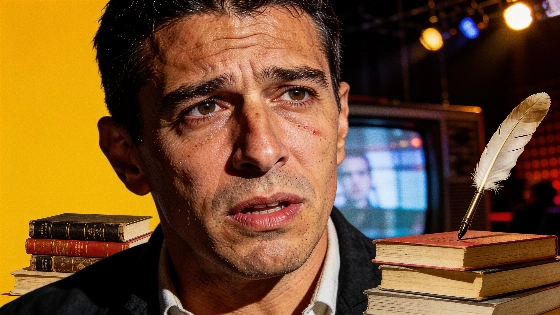
Boris Izaguirre, well-known writer and television personality, delivered a candid and emotional interview on “El perro andaluz,” where he addressed the personal cost of leaving Venezuela and the ongoing turmoil in his homeland. The conversation, led by Manu Sánchez, quickly moved from light-hearted banter to the weight of exile, as Izaguirre described the persistent guilt he feels for having left his country years ago. He spoke openly about the pain of watching Venezuela suffer from afar, especially in the wake of the recent earthquake, and the difficulty of trusting official information under a dictatorship.
Izaguirre’s reflections on Venezuela were marked by both sorrow and hope. He noted the challenges of verifying casualty numbers in a country where transparency is lacking, but also shared his father’s optimism that international aid could finally bring real recovery. The interview touched on the anxiety caused by foreign interventions, including the episode involving Donald Trump, which Izaguirre admitted left him deeply unsettled. Despite his guilt, he emphasized the resilience of Venezuelans and their ability to adapt and contribute to new societies, highlighting his own efforts to foster a sense of freedom and humor in Spain.
The discussion shifted to Spanish politics, where Izaguirre offered sharp commentary on the evolution of social rights. He recalled the long struggle for marriage equality and criticized the Partido Popular for its delayed acceptance of the law, suggesting that personal interests often drive political change. His assessment of José Luis Rodríguez Zapatero focused on the former prime minister’s role in ending ETA violence and reducing political tension, while also noting the symbolic importance of legislative progress for the country’s renewal.
Humor remained a constant throughout the interview, even as Izaguirre recounted the emotional burden of emigration. He described the lifelong question of whether leaving was the right choice, and the sense of having been born in the wrong place. Yet, he also celebrated the welcoming nature of Spain, joking that he and Ivonne Reyes were the “Adán y Eva” of Venezuelan arrivals. The program included lighter moments, such as a playful confession about laundry mishaps and a nod to his husband Rubén, who now manages his wardrobe.
In a segment known for unexpected questions, Izaguirre responded with characteristic wit when asked what the UCO might find in his home, mentioning forgotten laundry and mismatched socks. The episode also featured María Galiana and showcased Izaguirre’s improvisational skills, reinforcing his reputation for blending humor with sincerity.
The challenges faced by Venezuelan migrants in Spain echo broader issues of integration and identity, themes that have surfaced in other recent news stories. For example, the complexities of official communication and trust in crisis situations were highlighted when a senior Valencian official admitted to receiving a critical weather alert via WhatsApp during the Dana floods, raising questions about emergency response and transparency. More details on that incident can be found in this report on the Valencia flood probe.
Spain has seen a significant influx of Venezuelan migrants over the past decade, many of whom have faced similar dilemmas of belonging and responsibility. The country’s legal and social frameworks have evolved to accommodate new arrivals, but the emotional impact of displacement remains profound for many. Izaguirre’s interview underscores the personal dimension of migration, revealing how public figures grapple with private questions of loyalty, loss, and adaptation. His story reflects a broader narrative of resilience and transformation that continues to shape Spain’s multicultural landscape.