Brunete, a small town near Madrid, is set for a dramatic transformation. Plans for over 17,000 new homes could swell its population to 63,000. The move aims to address Madrid’s housing crisis but raises concerns about sustainability.
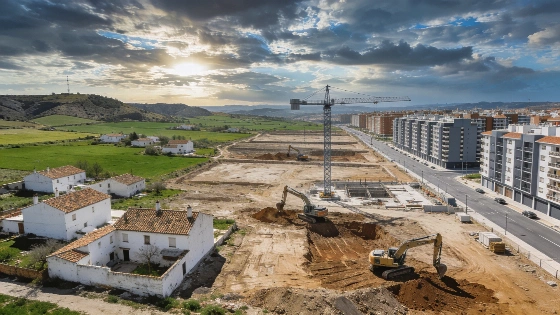
Brunete, a town of just over 11,000 residents west of Madrid, is preparing for a transformation that could reshape its identity and the region’s housing landscape. Local authorities have revived a large-scale urban development plan, originally conceived during Spain’s construction boom, that would add 17,572 new homes and potentially bring in 52,000 new inhabitants. This would multiply Brunete’s population nearly sixfold, turning it from a quiet municipality into a city-sized community.
The project, known as Nuevo Brunete, began its initial phase last year with land preparation works. The mayor, Mar Nicolás, has positioned the expansion as a response to the acute shortage of affordable housing in the Madrid area. With property prices in the capital pushing many families out, Brunete and several other towns on Madrid’s outskirts are moving to absorb the overflow. Similar expansion plans are underway in El Molar, Paracuellos de Jarama, and Tres Cantos, where thousands of new homes are also on the table.
While the scale of the development is unprecedented for Brunete, it has sparked a mix of hope and anxiety among locals. Some see the influx of new residents and services as a long-overdue boost for a town that lost its only Mercadona supermarket five years ago. Others worry about losing the rural character and green spaces that define daily life. Concerns also focus on whether infrastructure and public services—already stretched in areas like healthcare and transport—can keep pace with such rapid growth.
Environmental groups and urban planners have voiced warnings about the risks of unchecked expansion. They point to the potential loss of natural land and the creation of new commuter suburbs heavily reliant on cars. The debate is further fueled by the prospect of a new regional law that could ease building restrictions, raising fears of repeating the mistakes of Spain’s previous housing bubble. As one activist put it, the vision of a “Madrid DF” competing with global megacities is driving local leaders to open the floodgates for development.
On the ground, the changes are already visible. Construction vehicles move in and out of the future development zone, and new real estate agencies have appeared near Brunete’s traditional Plaza Mayor. Yet skepticism remains high. Many residents recall earlier expansion plans that stalled due to irregularities or the 2008 financial crisis. The current timeline for Nuevo Brunete stretches over 15 to 20 years, according to the mayor, but doubts persist about whether the project will reach completion or deliver on promises of affordable housing.
Opposition groups in the town council acknowledge the need for growth but caution against repeating the traffic congestion and service shortages seen in other rapidly developed suburbs. Public transport is limited, with no Cercanías rail link and weekend bus service to the nearest hospital often unavailable. Some fear that a sudden population surge could overwhelm Brunete’s schools, health center, and library, while also eroding the close-knit community atmosphere that attracted many to leave Madrid in the first place.
Property prices in Brunete remain lower than in neighboring affluent towns like Boadilla del Monte or Villanueva de la Cañada, with second-hand apartments ranging from €200,000 to €400,000 and chalets between €500,000 and €700,000. However, residents are divided on whether the new supply will keep prices in check or drive them up as the town becomes more attractive to wealthier newcomers.
The scale of Brunete’s planned expansion is part of a broader trend across Spain, where housing shortages and urban sprawl are reshaping the outskirts of major cities. As seen in other regions, such as Barcelona’s ongoing struggle with tourist apartments (recent developments in Eixample and Gràcia), the balance between growth, affordability, and quality of life remains a contentious issue. For Brunete, the coming years will test whether ambitious urban plans can deliver sustainable solutions or simply repeat the cycles of boom and bust that have marked Spain’s recent history.
Brunete’s story highlights the challenges facing many Spanish towns on the edge of metropolitan areas. As Madrid’s population pressures mount, the choices made in places like Brunete could set a precedent for how Spain manages urban growth, housing needs, and the preservation of local identity in the years ahead.