The European Commission urges Spain to safeguard vulnerable minors in Ceuta. At the same time, Brussels maintains pressure for the return of all irregular migrants to Morocco. The fate of 500 girls remains uncertain.
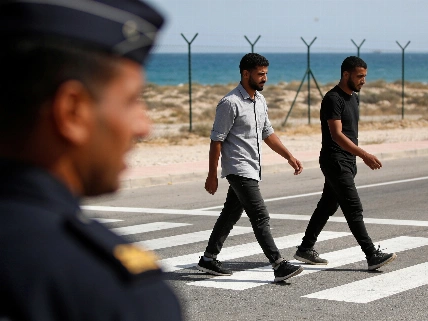
The European Commission has reinforced its demand that Spain must protect vulnerable migrant minors in Ceuta, even as it faces mounting pressure from EU partners to ensure the return of all irregular migrants who entered the enclave since July. The situation has become especially tense as Madrid considers relocating around 500 girls from Ceuta to the Spanish mainland, a move that has not yet been formally communicated to Brussels.
On Thursday, a spokesperson for the Commission confirmed ongoing discussions with the Spanish government, noting that official details about the planned transfers are still pending. Despite this, the Commission made clear that safeguarding vulnerable minors is a legal obligation for Spain under EU law. The spokesperson emphasized that Spanish authorities are responsible for guaranteeing the protection of these children, many of whom have experienced violence and lack family support.
At the same time, Brussels reiterated the expectation shared by most EU member states that all migrants who entered Ceuta irregularly should be returned to Morocco. The Commission pointed to existing EU return directives and the updated regulation adopted in June, which include provisions for repatriating unaccompanied minors. However, these rules require that before any minor is expelled, authorities must ensure the child will be handed over to family, a designated guardian, or suitable care facilities in the country of return—a condition that appears difficult to meet for many of the girls in question.
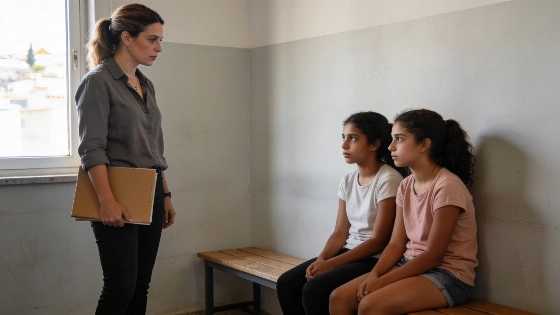
Spanish government sources report that many of these minors, some very young, have fled violence and are unwilling to return to Morocco. In several cases, the girls have no family or come from highly unstable backgrounds, making it nearly impossible to guarantee a safe environment upon return. The Commission has not provided a specific response to these individual circumstances, but continues to stress the need for compliance with both EU and international law.
The issue has sparked political friction within Spain and across the EU. As highlighted in recent coverage of the Ceuta migrant crisis, national and regional leaders remain divided over whether to prioritize humanitarian protection or strict enforcement of return policies. The Commission, meanwhile, is working closely with both Madrid and Rabat to facilitate returns, but insists that all actions must respect legal safeguards for minors.
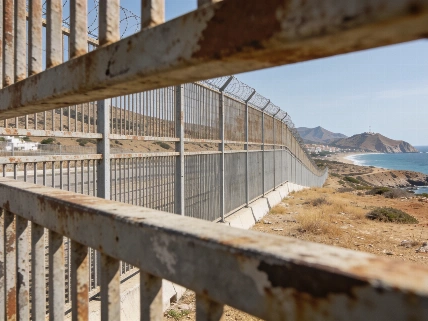
Ceuta, a Spanish autonomous city on the North African coast, has long been a focal point for migration from Morocco and sub-Saharan Africa. The influx of minors in recent months has tested Spain’s child protection systems and exposed gaps in EU migration policy. Under current EU law, unaccompanied minors are entitled to special protections, but the practical challenges of repatriation—especially when family links are missing—often leave authorities with few viable options. The ongoing debate underscores the broader struggle within the EU to balance border control with humanitarian obligations, a dilemma that is likely to persist as migration pressures continue.