Carlos Alsina ends his 11-year run as the early morning voice of Más de Uno. He hands over the 6 AM slot to Rafa Latorre but remains with the program. Alsina now focuses on creative radio projects and midday broadcasting.
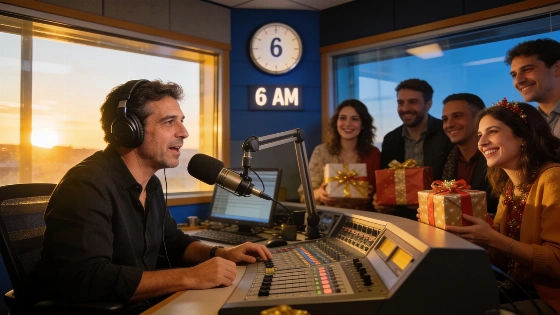
Carlos Alsina, a defining presence on Spanish radio, has decided to leave the early morning segment of Más de Uno after more than a decade and 2,500 broadcasts at 6 AM. The move marks a significant change for both the program and its loyal audience, as Alsina transitions away from the demanding early hours but continues to shape the show’s direction.
According to details shared with EL MUNDO, Alsina will remain as director and host of the second part of Más de Uno, now airing from 10 AM to midday. The first four hours will be taken over by Rafa Latorre, signaling a new era for the program’s morning listeners. Alsina emphasized that this is not a retirement, but a shift to focus on the aspects of radio he finds most rewarding—particularly fiction and live broadcasts outside the studio.
His final early morning broadcast became a moment of recognition, with colleagues and contributors paying tribute to his influence and unique style. Alsina has long been known for transforming political interviews into a signature feature of the show, earning respect from both listeners and peers. The farewell included a barbecue and a specially crafted ninot, symbolizing the camaraderie and routine shared over 11 years of early starts.
Alsina’s decision reflects a broader trend among veteran broadcasters seeking greater creative freedom and a more sustainable work-life balance. He has stated that stepping away from the early slot will allow him to pursue projects that bring more enjoyment and innovation to his work. This approach echoes the experiences of other Spanish media figures, such as Valeria Ros, who recently discussed her own career transitions and personal challenges in an interview available here.
Más de Uno remains a flagship program for Spanish radio, known for its blend of news, analysis, and cultural content. The show’s structure, with a clear division between early news coverage and later in-depth segments, has set a standard for morning broadcasting in Spain. Alsina’s continued involvement ensures that the program will retain its distinctive voice, even as it adapts to new rhythms and leadership. For many listeners, the change marks the end of an era, but also the promise of renewed creativity and engagement in Spanish radio.
In the context of Spanish media, such transitions highlight the evolving nature of broadcast journalism and the importance of adapting formats to both audience needs and presenter well-being. As the industry faces ongoing shifts in listener habits and technological change, figures like Alsina play a key role in maintaining the relevance and vitality of traditional radio.