After a devastating Moto2 accident left him in a wheelchair, Carlos Tatay refused to give up on competition. His journey through rehabilitation, depression, and a new career in adapted motorsport now inspires a new generation.
On July 2, 2023, Carlos Tatay’s life took a sharp turn. He was 20, racing in Moto2 at Portimao. A crash at 300 kilometers per hour left him with a spinal injury. He would never walk again. Most would have quit. Tatay did not.
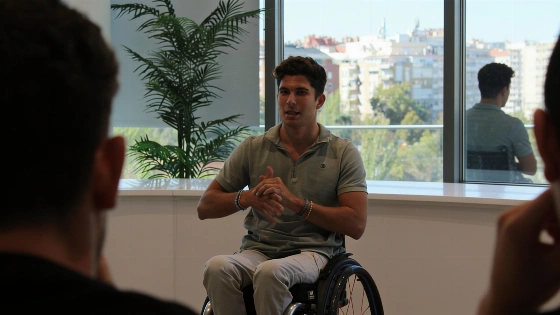
He spent months in the Hospital Nacional de Parapléjicos de Toledo. The rehab was brutal. Paralysis hit hard, but the mental battle was worse. Tatay told students he sank into deep depression. He shut out even his closest friends and family. "Every day of my life is resilience," he told a silent classroom. His story is not about easy wins. It is about facing pain head-on.
In January 2025, Carlos Tatay achieved a podium finish in an ice and snow race in Andorra, competing against able-bodied drivers.
One meeting changed his outlook. Albert Llovera, the first wheelchair user to race against able-bodied drivers, gave him blunt advice. "The chair always on your backside, never on your face." Tatay took time to understand. He realized his injury would not define him. His actions would.
Tatay wanted to race again. He left motorcycles behind and moved to adapted cars. Just a year after the crash, he entered the Baja Aragón rally raid. He finished fourth. By January 2025, he stood on the podium in Andorra, racing on ice and snow against drivers without disabilities. The discipline that got him up for early training as a kid now fueled his comeback.
Young people listen when Tatay speaks. He talks to vocational students about real struggle. He tears down the myth of instant success on social media. "Nothing is immediate, everything has its process and costs," he says. He urges them to value discipline, perseverance, and sacrifice. These are the traits that took him from a restless child crawling under cars to a Red Bull MotoGP hopeful, and now to a new life behind the wheel.
According to leading Spanish sports media, Tatay’s main sporting goal is now to compete in the Dakar Rally in 2028, a fact he has confirmed in recent interviews and public lectures. His story is increasingly cited as a benchmark for inclusion and rehabilitation in motorsport, with Tatay actively promoting opportunities for people with disabilities.
Tatay’s crash was not his first test. He grew up in a baker’s family. Local suppliers helped sponsor his early racing. The road to the world stage was never smooth. The accident only made him work harder. He trained before and after school. He gave up parties for practice. That routine became the backbone of his recovery and new ambitions.
He now tells his story in the book 'Mi motor interior'. He wants others to face setbacks with honesty and grit. His next goal is set: the Dakar Rally, which he calls the toughest race in the world. For Tatay, it is not about beating disability. It is about refusing to let setbacks set the limits.
Spain sees many road accidents and their aftermath, as reported earlier. But Tatay’s story stands out. He turned personal tragedy into a platform for motivation and practical advice. His example shows that resilience is not a slogan. It is daily work. It means being honest about pain, staying disciplined when the future is unclear, and finding new goals when old dreams break. In a world chasing quick wins, Tatay’s journey is a sharp reminder. Real progress comes from setbacks. True strength shows after the fall.