A typical edition draws about 400 people, organiser José Ramón Piñeiro said. A bonfire is due to be lit from 10am, and chestnuts will be roasted on site. This year’s event is scheduled for Wednesday 11 November at the Campo de la Fiesta in Castro de Beiro. In Ourense province, 11 November is the main date for chestnut celebrations associated with San Martiño, La Voz de Galicia reported.
The menu will include pulpo and panceta. Carne ao caldeiro will also be on offer, and a charanga is planned for the day. The association organises the event under the slogan “Antes que nosotros nadie”. Across the wider Ourense Magosto food market, a meal for ten averaged €110.94 in 2026, up 13.27% year on year, according to Moncloa. Chestnut prices fell 10.12%; pork belly dropped from €12.18 to €8.15 per kilogram. Separately, Russpain reported that Ourense’s city-level San Martiño celebrations planned a €3 chorizo serving, with chestnuts available for free.
The Magosto has been held in the Ourense locality since 1983, with a pause only during the pandemic, Piñeiro said. He called it the city’s oldest association-run Magosto. It began as a small gathering at the Campo de la Fiesta and grew over the years. Festival organisers elsewhere have faced different decisions: Tavernes’ Festivern was cancelled for 2026 after organisers cited repeated rain and pressure on small festivals, as a separate festival report noted.
Visitors travel from Madrid and Gijón, Piñeiro said. He also named Barcelona as a place people come from specifically to spend San Martiño in Ourense. The association’s wider programme around the date includes film screenings and talks. A theatrical performance is planned as well.
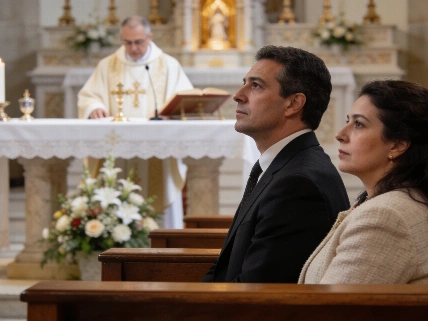
The organisers also plan a special event on 30 November for their patron, Santo André. It will begin with a Mass, followed by Galician wine for attendees.