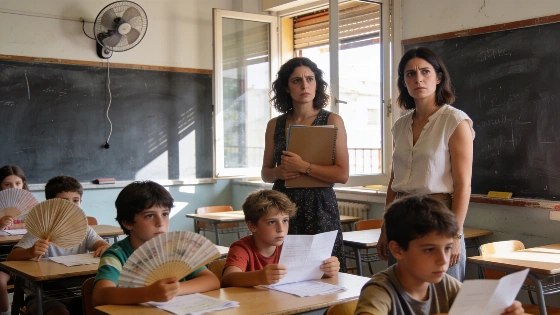
Catalonia’s school year begins with a teacher strike, Pisa test controversy, and a sharp rise in staff numbers. Heatwave conditions and unfinished ventilation work add to the challenges. Officials promise reforms as pressure mounts.
The first day of school in Catalonia was marked by strikes, invalidated Pisa test results, and classrooms left sweltering in a heatwave, with many schools still waiting for promised ventilators. The Asamblea Educativa de Cataluña called the strike, a group often linked to the CGT, though it claims independence. Even the major union Ustec questioned the timing, expecting larger protests later in the month.
The government asked unions to hold off on industrial action, but tensions between educators and the Department of Education remain unresolved. President Salvador Illa and Education Minister Esther Niubó urged unions to respect students’ right to education and offered to negotiate on resources and reforms. Their appeals did not prevent disruption on the first day of the school year. Reports in ABC and El País described growing pressure from teachers and parents, as the strike coincided with ongoing problems in school infrastructure and testing.
The OECD confirmed that Catalonia's Pisa results will be published, but only with a warning that they are not valid for international comparison.
The Pisa test controversy added to the unrest. A major error in administering the international assessment forced authorities to void Catalonia’s results, raising doubts about the region’s education leadership. The Department of Education now faces both union discontent and public criticism over its handling of testing and basic facilities. According to El País, the Ministry of Education only acknowledged the sampling error in spring 2026, after concerns were raised in March, confirming the results could not be used for comparison.
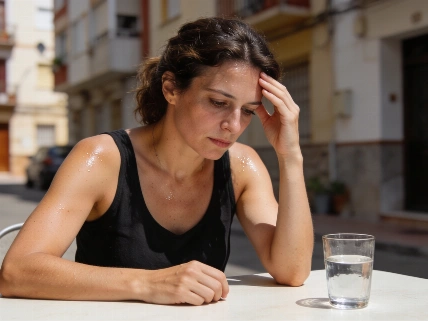
Ventilation is still a problem. The government pledged €20 million to install fans in 400 schools over the summer, but only 228 schools received wall and ceiling units, with just €5.5 million spent so far. Many classrooms opened with no relief from the heat, echoing the record-breaking temperatures recently seen in Barcelona, as previous coverage reported. Spanish media have linked the lack of cooling to growing public frustration, especially as the promised upgrades were not ready for the start of the school year.
The Pisa sampling error affected only the Catalan cohort, with 23.2% of students excluded from the sample—far above the OECD's 5% threshold. Spain's national Pisa results remain valid and unaffected by the Catalan issue.
Meanwhile, student numbers are falling. This year, compulsory education enrollments dropped to 932,543, with the total across all levels at 1.31 million—down 50,000 and 25,000 respectively compared to three years ago. Staff numbers, however, have jumped: 94,422 education workers are now on payroll, up from 81,335 last year. This includes 1,103 new teachers, 531 support staff, and 196 administrators. These increases follow recent agreements with CC OO, UGT, and Secondary Teachers unions, which also brought a €110 monthly pay rise and a €50 bonus for teachers on school trips.
Inclusive education is another focus. The government is expanding early detection programs for learning difficulties to fifth grade and assigning nursing staff to half of all schools. Three new bilingual sign language centers and 204 additional special education places are opening. A pilot project in three Barcelona municipalities will provide extra clerical support to reduce paperwork for school leaders.
For newly arrived foreign students, 500 new welcome classrooms have been created, bringing the total to 2,141. Intensive support rooms have increased from 27 to 45. Nursery places are up by 582. No major changes are planned for teaching methods, with existing reading and math improvement programs continuing as before.
Artificial intelligence is now under review. The Department of Education plans to restrict AI use for students under 14 and require parental consent for those aged 14 to 18. Oral presentations will become mandatory for final research projects to check students’ knowledge, with detailed guidelines on AI use expected this term.
Four new schools and three expanded institutes are opening, with six more under construction. Still, the government’s failure to deliver on basic promises—like adequate cooling—has left many families and staff doubtful. The increase in staff and small reforms may buy time, but the Pisa scandal and ongoing labor unrest have damaged trust. Catalonia’s education authorities now face pressure to deliver real solutions as the school year gets underway.