Forty confidential reports now reveal how Spanish authorities tracked the July 2026 Ceuta migration crisis. Intelligence and police flagged risks but underestimated the scale. The documents show missed warnings and operational limits.
Spain has released 40 previously classified documents detailing the July 2026 Ceuta migration crisis. Published after a Council of Ministers order, the files show that intelligence and security agencies flagged rising risks but did not foresee the scale of what followed. Estimates put the number of crossings between 70,000 and 80,000, according to Spanish media and Reuters.
The documents reveal a pattern of urgent warnings that fell short. On July 29, the Centro Nacional de Inteligencia (CNI) sent a critical alert to Moroccan intelligence and Spanish authorities just hours before the mass entry. The warning included screenshots from social media groups with 180,000 members, calling for coordinated crossings during the Fiesta del Trono. Still, the CNI did not predict how large the movement would be. Other reports confirm that CNI had warned of possible mass crossings at least a day before the border was breached, citing mobilization on social networks and messaging apps.
On September 9, 2026, Spain declassified around 40 documents on the Ceuta crisis, covering the period from July 1 to August 1 and including intelligence from CNI, military, police, and Guardia Civil.
Most of the 36 main files are routine reports. Only seven are explicit alerts, and just one was issued before the border was breached. Between July 27 and 29, the CNI used messaging apps to warn the Ceuta government delegation and Guardia Civil about online mobilizations, but these signals did not trigger a full-scale response. Deutsche Welle reports that intelligence warnings were shared with both Moroccan and Spanish authorities, but the scale of the crisis was not fully recognized in advance.
The Guardia Civil, under pressure as arrivals increased, asked the Ministry of the Interior for reinforcements. Their reports also mention a Supreme Court ruling that limited immediate action against irregular entries, leaving security forces with fewer options. Police data showed 1,240 irregular arrivals intercepted since the court’s decision.
The documents show that Cecorvigmar, the Guardia Civil’s coordination center, produced the most reports, followed by the Centro Nacional de Inmigración y Fronteras (Cenif) and the CNI. Most communications went out by email or WhatsApp, reflecting the urgency and scattered nature of the response.
The official reason for publishing the documents was to ensure transparency and, according to the government, the absence of any threat to national security. This move was directly linked to a Council of Ministers decision and a public promise to make the materials accessible.
Spanish government
One of the more sensitive findings is the assessment of Morocco’s response. The reports discuss possible reasons for Morocco’s lack of intervention, from being caught off guard to possible political motives. Weekly data on arrivals and nationalities show a steady increase in both attempted and successful crossings throughout July. On September 3, 2026, Prime Minister Pedro Sánchez told Reuters that the government had no evidence Morocco orchestrated the crisis, countering theories of deliberate coordination by Rabat. Still, the political situation remains tense, as Moroccan officials repeated claims to Ceuta’s status soon after the crisis.
The release of these files comes as Spain’s migration management faces growing scrutiny. The documents are anonymized but include precise timestamps, recipients, and channels, giving a rare look at how thirty agencies tried to coordinate under pressure. The government’s decision to publish the documents follows calls for transparency and accountability, echoing concerns raised in other cases such as the Interior Ministry dossier controversy.
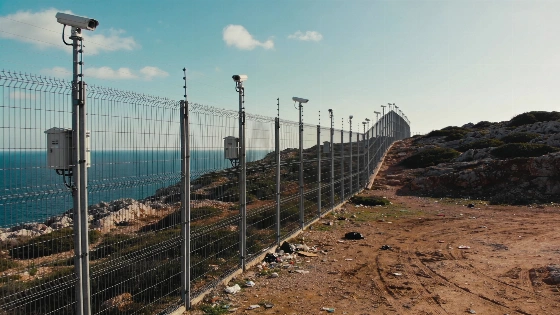
For Ceuta, the impact was immediate: border infrastructure was overwhelmed, security personnel were stretched thin, and the city had to absorb thousands of new arrivals in a matter of days. The files confirm that while some warnings were issued, fragmented alerts and legal limits left Spain unprepared for a crisis of this size. The government’s move to declassify the documents is meant to show openness, but the evidence points to a security system that underestimated both the speed and organization of the migration wave. The Ceuta episode highlights the limits of intelligence and the real-world effects of legal and operational blind spots for Spanish authorities now facing public scrutiny.