Ceuta is struggling to protect migrant girls who arrived by sea. Local women are stepping in as makeshift guardians. Police are investigating five reported sexual assaults involving minors.
Ceuta is facing a mounting emergency as hundreds of unaccompanied migrant girls, many from Morocco, remain without official protection after crossing the border by sea. Local women have become the primary line of defense, taking minors into their homes and makeshift shelters as authorities struggle to respond. The situation has escalated with police confirming five ongoing investigations into sexual assaults against underage Moroccan girls.
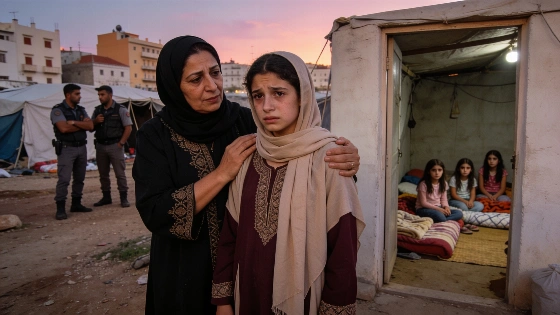
In the El Príncipe neighborhood, Zohra Mohamed, 62, has taken in Aya, a 17-year-old who arrived alone and injured after swimming to Ceuta. Zohra, now acting as Aya’s guardian, describes the lack of safe accommodation for girls, with official centers overwhelmed and dominated by older boys. Fearing for Aya’s safety, Zohra refused to leave her in a crowded shelter and continues to search for alternatives, echoing the concerns of many residents who have opened their doors to vulnerable minors.
Wafa, another local woman, is currently housing four Moroccan minors in her small apartment, including 15-year-old Ilhame, who also crossed the sea alone. Wafa admits her resources are stretched thin, but says she cannot turn the girls away, despite the financial and logistical strain. The solidarity of Ceuta’s residents, however, is not enough to meet the scale of the crisis, especially as reports of violence against girls increase.
Recent incidents have heightened fears. Rajaa, a resident of El Príncipe, intervened when a group of men attempted to assault a 12-year-old girl, Yuli, who had been sleeping rough. Rajaa now cares for Yuli, whose mother in Agadir does not want her to return. Similar stories are emerging across Ceuta’s neighborhoods, with women stepping in to protect girls who are at risk on the streets.
In Sidi Embarek and Los Rosales, neighbors led by Abdellah Mustafa have converted a local futsal field into a temporary refuge for girls. The improvised shelter, guarded day and night, now hosts up to 200 minors, though capacity is already strained. Girls arrive throughout the day, seeking safety after facing threats and attempted assaults elsewhere in the city. The only official support so far has been the delivery of a portable toilet by the city council.
Some girls, like Jamnat and Zineb, aged 17 and 16, have formed new friendships in the shelter after escaping attempted attacks by groups of men. Despite reporting incidents to the police, they say they were turned away and told to go to the Tarajal warehouses, highlighting gaps in official response. Many girls now avoid official centers, fearing for their safety and preferring to stay together in informal shelters.
The crisis in Ceuta is not limited to the lack of accommodation. According to the Delegation of Government, five cases of sexual assault against Moroccan minors are under investigation by the National Police’s Family and Women’s Unit. The vulnerability of these girls has become a central concern, with local initiatives only partially filling the void left by overwhelmed institutions.
This situation follows a recent surge in arrivals at the end of July, when thousands of minors crossed into Ceuta, overwhelming local capacity. The legal and political challenges surrounding the protection of migrant minors in Ceuta have already drawn national attention, as highlighted in recent coverage of legal gaps and political disputes over child protection in the city. The current focus on girls underscores the urgent need for targeted measures to ensure their safety and well-being.
Ceuta’s experience reflects broader challenges faced by Spanish authorities in managing sudden influxes of unaccompanied minors. While local solidarity has provided temporary relief, sustainable solutions require coordinated action from regional and national institutions. The ongoing investigations and the visible strain on community resources highlight the pressing need for improved protection mechanisms for vulnerable migrant children, especially girls, in border regions.