Ceuta is experiencing a sharp rise in migrant minors, with NGOs warning of thousands of children and an unusual presence of young girls. The situation is straining local resources and raising concerns about exploitation risks.
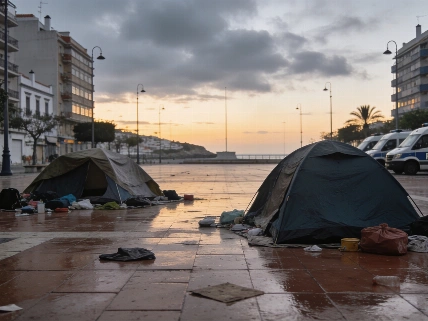
Ceuta is under mounting pressure as local NGOs report a significant increase in the number of migrant children and women arriving in the city. According to Save the Children, the current situation is described as 'overwhelmed,' with estimates suggesting that up to 4,000 minors may now be present in the autonomous city. This figure, based on calculations from neighborhood associations, marks a dramatic escalation compared to previous migration waves.
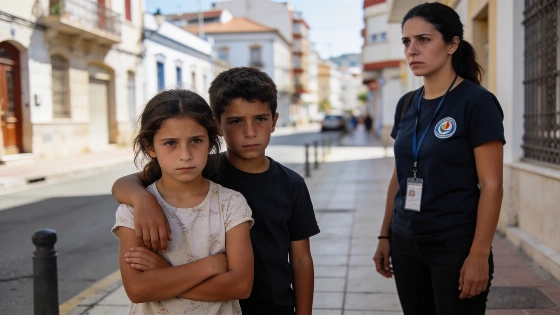
Field workers have observed a notable shift in the demographic profile of recent arrivals. Many of the children found wandering the streets are extremely young, some as young as 11. What stands out even more is the growing number of girls among the minors, a trend not seen in earlier mass crossings at the border. These girls, according to Save the Children’s program director Raúl Arnaiz, face heightened risks of trafficking and exploitation due to their vulnerability and lack of protection.
Local organizations are struggling to respond to the influx. The sheer volume of unaccompanied minors has pushed existing support systems to their limits, making it increasingly difficult to provide adequate shelter, food, and safety. The presence of so many young children and girls has intensified concerns about their exposure to criminal networks and unsafe conditions on the streets.
This crisis comes amid ongoing debates over how to manage the growing number of migrant minors in Ceuta. The issue has already sparked tensions between regional and national authorities, as highlighted in a recent report on the reluctance of some regions to accept relocated children from Ceuta. For more on the political standoff and its impact on the city’s capacity to cope, see the analysis of the stalled negotiations regarding the transfer of unaccompanied minors.
Ceuta’s unique geographic position at the edge of Europe has long made it a focal point for migration from North Africa. However, the current wave stands out for the age and gender of those arriving. The city’s authorities and NGOs are calling for urgent measures to address the humanitarian needs and to prevent further risks to vulnerable children, especially girls. The situation underscores the broader challenges Spain faces in balancing border management, child protection, and regional cooperation in the face of shifting migration patterns.
For context, Ceuta is one of two Spanish enclaves in North Africa, separated from Morocco by a fortified border. In recent years, the city has repeatedly faced sudden surges in arrivals, often overwhelming local infrastructure. The Spanish government, together with international organizations, continues to seek solutions, but the current demographic shift among migrants adds a new layer of complexity to an already difficult scenario.