After weeks of unrest and economic losses, some families in Ceuta are weighing whether to stay or go. Restaurant owner Hugo describes a city where fear and fatigue have become part of daily life, with children kept indoors and businesses struggling to survive.
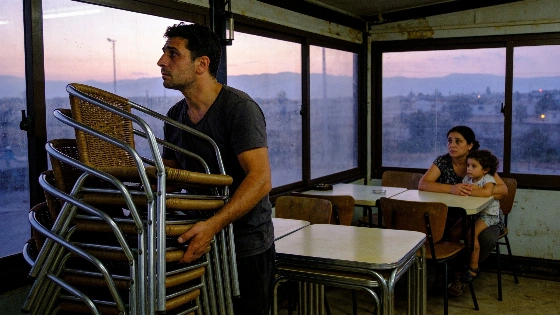
Hugo runs a restaurant in Ceuta and has two young children. Most evenings now, he takes apart his terrace, worried that even a single chair could be used to damage his business. For more than forty days, the city has been in crisis, and families like his are left wondering if Ceuta is still a place where children can grow up safely.
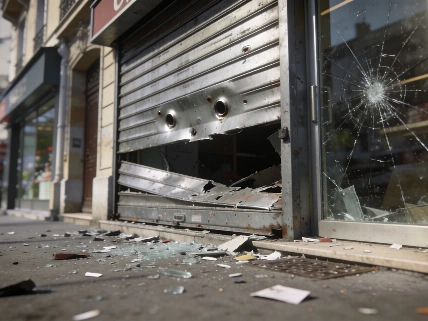
The change was sudden. On July 30, 2026, a surge of people filled Ceuta’s streets, forcing shopkeepers to close up within minutes. Hugo remembers a "wave of people" sweeping through, with merchants pulling down shutters and waiting out the chaos inside. That day set the tone for a summer that devastated local hospitality and tourism. Prime Minister Pedro Sanchez said on September 3, 2026, that the Spanish government found no clear evidence that Moroccan authorities organized the mass entry, though he noted that Moroccan gendarmerie did not intervene for about ten hours during the initial surge.
Reuters reports that 141 people died during the mass crossing on July 30, 2026, a figure significantly higher than previous official estimates.
Economic fallout
August is usually the busiest month for restaurants and bars, but this year brought only losses. Hugo calls the season "catastrophic." The city canceled its patronal festivities, and activity dropped sharply on both streets and beaches. Ceuta’s reputation as a tourist destination has taken a hit. Official numbers are limited, but business owners describe empty tables and growing anxiety. In parliament, Sanchez said the government’s focus was on reinforcing the border and speeding up the return of those not entitled to stay in Spain, according to La Moncloa.
The government responded with Real Decreto-ley 22/2026, sending €14 million to Ceuta’s Chamber of Commerce. Of that, €10 million is for commercial support and €4 million for hospitality and tourism. The money is meant to boost demand and restore confidence, but it does not go directly to individual businesses. For many, the relief feels distant compared to the daily struggle to stay afloat. Demócrata and Infobae report that the €4 million tourism package includes visitor vouchers, promotional campaigns, and transport discounts for non-residents.
Demócrata and Euronews indicate that the €14 million package is only a fraction of a much larger €309 million economic support plan for Ceuta. Additionally, Spain's Ministry of Finance announced a new royal decree on September 1, 2026, providing €9.2 million in subsidies to Ceuta, including an extra €2 million in response to the July crisis.
Impact on families
The crisis has reached into people’s homes. Hugo says his wife sometimes breaks down at night, and his children ask why they can’t go to the park anymore. Many parents now avoid public spaces with their kids. The stress is showing up not just among business owners, but also their staff, with cases of anxiety and depression becoming more common as the uncertainty drags on.
“Ceuta is now a pressure cooker,” Hugo says. In parent group chats, the idea of leaving the city is no longer far-fetched. Some families are thinking about moving away, even if it means giving up their businesses and the life they’ve built, because they don’t want their children growing up surrounded by fear and restrictions.
Official response and local frustration
The Spanish government’s Real Decreto 681/2026 formally declared the situation in Ceuta a matter of national security, citing the mass arrival on July 30 and the strain on public services. The decree, which will last at least through the end of 2026, is meant to coordinate state resources without suspending basic rights or declaring a state of emergency. But for residents like Hugo, the gap between official measures and daily life is still wide.
He points out that there is still no clear data on how many minors and adults remain in the city. He appreciates the efforts of the Policía Nacional, but the feeling of being left on their own persists. The difference between government statements and what families and businesses experience every day is now impossible to ignore. Le Monde reported that a leaked Spanish police report described Morocco’s approach during the crisis as one of "total permissiveness," which directly contradicts the Spanish government’s official position.
The crisis in Ceuta has shown how fragile daily life can be in a border city, where a single event can undo years of progress in just a few hours. As families decide whether to stay or leave, the city’s future depends on whether official promises can bring real security and trust. For now, Ceuta remains on edge, with the cost of uncertainty measured not just in lost income, but in the loss of childhood and the exhaustion of hope.