Ceuta’s government is in turmoil after the chief of staff resigned over a dispute about a CNI warning on a mass border crossing. Conflicting stories and political pressure now threaten the PSOE’s standing in the city.
Ceuta’s political leadership is in disarray after Gonzalo Sanz, chief of staff to the government delegate, resigned and exposed a sharp internal split over how a key CNI warning was handled. The fallout has fractured the PSOE’s local leadership and left the national government struggling to contain the situation, just as a judicial investigation into the city’s mass border breach gathers pace.
The crisis began when Sanz stepped down, rejecting claims that he failed to pass on a CNI alert about a planned mass entry of migrants from Morocco. Declassified documents show that a CNI agent warned Sanz on July 29 about social media calls for an assault on Ceuta’s border by land and sea, mentioning groups with up to 180,000 followers. Sanz says he relayed this information to his boss, Miguel Ángel Pérez Triano, the government delegate, that same day. Triano denies ever receiving the warning.
On July 29, Spanish border authorities received an internal alert rating the risk of a coordinated mass entry into Ceuta as 'EXTREME', specifically warning of attempts both by swimming and over the fence.
This direct contradiction has led to a public dispute, with both men refusing to accept blame for the communication breakdown. The issue is now central to a judicial investigation led by Judge María Tardón, who is looking into whether the mass entry was a serious attack on Spain’s territorial integrity. If negligence or misconduct is found, criminal charges could follow.
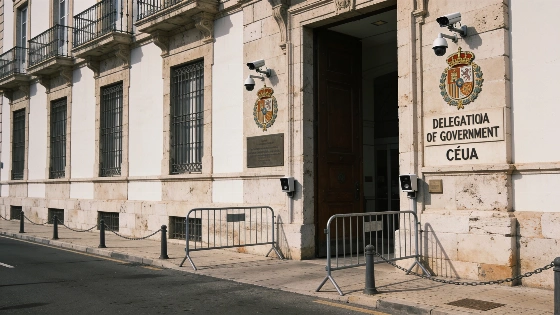
The PSOE’s local strategy has collapsed under the weight of the scandal. Pérez Triano, recently named as the party’s candidate for the next local elections, now faces growing calls to resign. Protests outside the government delegation have become common, with demonstrators demanding accountability and even leaving a funeral wreath at the building’s entrance as a symbol of political failure.
Juan Jesús Vivas, the veteran president of Ceuta from the PP, has used the turmoil to question the credibility of both Sanz and Triano. He argues that their conflicting accounts only damage the government’s standing and has linked the dispute to the ongoing court case, predicting that everyone involved will have to testify. Meanwhile, Melchor León, vice president of the Ceuta Assembly and a PSOE member, has claimed Triano was present during the CNI call—an assertion denied by Triano’s team and not supported by evidence.
According to AP and Al Jazeera, the CNI not only warned Spanish authorities but also notified Moroccan intelligence services about the potential for a mass border crossing, adding an international dimension to the crisis. The number of arrivals in Ceuta on July 30–31 was estimated in the tens of thousands, making it one of the largest such incidents in recent years.
The government’s move to declassify the CNI communications has only deepened the confusion, exposing mistrust within the delegation. The official position is that Triano was unaware of the warning before the border incident, but Sanz’s resignation letter disputes this, citing “evident incompatibility” between his account and Triano’s public statements.
The timing is especially bad for the PSOE. The party had hoped to challenge the PP’s long hold on Ceuta, but the crisis has shattered internal unity and damaged its electoral prospects. The judicial investigation, public anger, and visible splits among local leaders have left the party’s future in the city uncertain.
As previously reported, Sanz’s resignation was the first public casualty of the crisis, but the ongoing blame game and lack of clear answers have only increased the sense of instability. The government’s failure to present a unified account or take decisive action has allowed political opponents to shape the narrative and left Ceuta’s residents with little confidence in their leaders’ ability to restore order.
This episode has exposed a basic weakness in crisis management at both the local and national levels. When critical warnings are lost in a tangle of denials and shifting stories, public trust erodes. The PSOE’s handling of the Ceuta border breach shows how internal divisions and a lack of transparency can turn a security incident into a political disaster. Unless the party can deliver accountability and restore credibility, its ambitions in Ceuta will remain out of reach.