Spain is named in jihadist online material urging attacks on police and demonstrators amid unrest in several European countries. Interior’s cyber-coordination office warns that attackers may exploit pressure on security forces.
The alert came amid a tense and polarised campaign for the general election scheduled for 29 November 2026. The warning, issued on 23 October, said an attack could have a multiplier effect on public fear and political behaviour during the campaign, drawing comparisons with the 11-M attacks of 11 March 2004. The comparison concerns the potential impact of an attack, not a claim that the current warning involved a similar plot or scale.
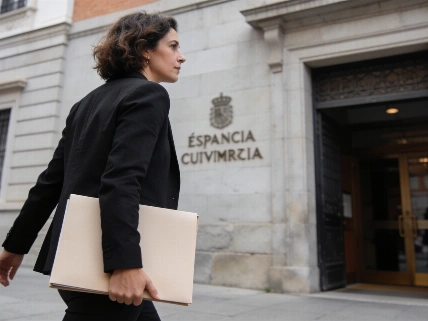
The Oficina de Coordinación de Ciberseguridad (OCC), part of the Interior Ministry’s State Security Secretariat, sent an urgent warning to commanders of Spain’s state security forces after monitoring jihadist content. The material, found on a website associated with Daesh, also known as the Islamic State, called for attacks on police and protesters during demonstrations in several European countries and named Spain specifically. The alert was an internal security communication; Spain’s five-tier anti-terrorist alert remained at Level 4, or high risk, a status in place since 26 June 2015. The warning did not change the national threat level.
The messages discussed explosives and knives as possible methods; some users also advised using vehicles to strike people. The warning said posts encouraged attackers to die during an operation and included advice on selecting targets. It was circulated as a preventive alert about online incitement and the possible exploitation of crowds and confusion, along with security-force deployments. It was not an announcement of an identified operational cell or specific plot.
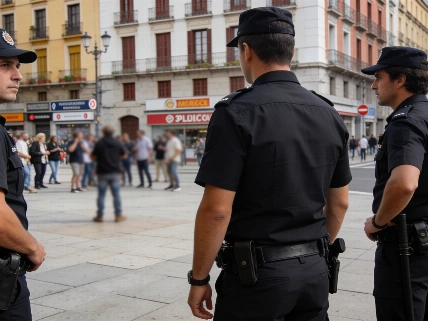
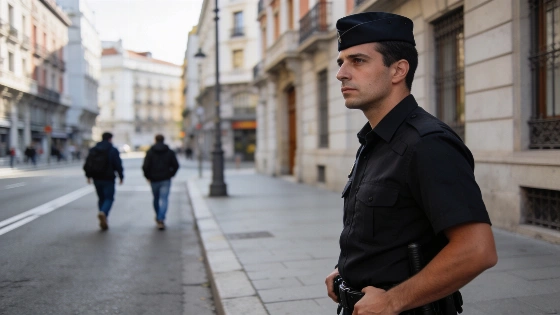
The warning focuses on the possibility that jihadist networks could exploit security forces being stretched by street disorder. It distinguishes that threat from demonstrations by far-left groups against VOX campaign events: the messaging concerned exploiting public disorder, not an alleged connection between protest organisers and Daesh. Separate reporting described a demonstration against Vito Quiles in Zaragoza where five people were arrested and eight police officers injured, one seriously; that incident was not reported as connected to the jihadist messaging. The account also points to housing access problems and rising prices as sources of tension; housing costs have featured in a Cáritas housing report.