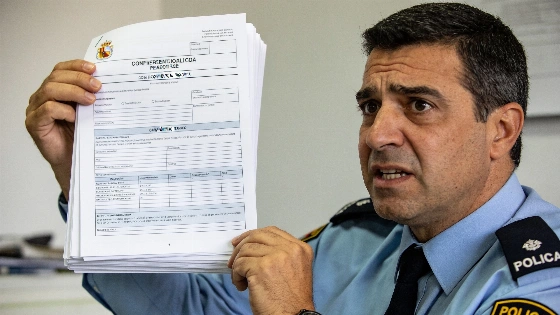
Ceuta's chief of staff has stepped down, accusing his superior of lying about CNI warnings before the July migrant surge. The dispute has exposed serious divisions in the government's response, with key documents still withheld.
The resignation of Gonzalo Sanz as chief of staff in Ceuta has thrown the local government into turmoil, revealing a sharp internal dispute over who knew about the CNI’s warnings ahead of the mass migrant entry on July 30. Sanz left his post after accusing his boss, Miguel Ángel Pérez Triano, of lying about what was communicated and when, putting the government’s crisis response and transparency under a harsh spotlight.
The core of the conflict is a direct contradiction. Sanz says he passed on the CNI’s warning to Pérez Triano through WhatsApp and an 11-minute phone call on July 29. Pérez Triano insists he never received any such message or call. The Ceuta delegation has backed Pérez Triano, stating he had no knowledge of the alerts before the incident. But in his resignation email, Sanz claims there are official records showing that warnings were sent from the delegation to several ministries.
"On July 29 at 13:52, the CNI sent a WhatsApp message warning about calls on social media for a mass entry into Ceuta the following day."
— Al Jazeera
This dispute follows weeks of shifting explanations from Madrid. At first, officials said the CNI had not foreseen the scale of the migrant influx. That position became harder to defend after documents surfaced suggesting the CNI did issue warnings. The Ministry of Defence later accepted a statement from La Moncloa blaming the CNI for not anticipating the crisis, but the release of internal communications only added to the confusion, as reported in a previous investigation.
La Moncloa has promised to publish all relevant reports from July 1 to August 1, but it remains unclear what information was actually shared and how it was handled. The Ceuta delegation says ministries were notified as soon as migration numbers spiked, but has not provided details about when or what was communicated.
Juan Jesús Vivas, president of Ceuta, says he repeatedly tried to warn central authorities about the growing risk, only to be told by La Moncloa to stop calling and rely on the local delegate for updates. Vivas says his warnings about increased swimming entries were brushed aside, highlighting the breakdown in communication between local and national officials.
"According to Euronews, the CNI warning referenced social media messages circulating in groups with a combined audience of approximately 180,000 people. Multiple independent sources confirm that while the CNI alerted authorities to the threat of a mass entry, it did not predict the actual scale of the crisis, which peaked with over 70,000 people attempting to enter Ceuta on July 30–31."
— Euronews
Sanz’s resignation has put Pérez Triano under growing pressure, with calls for accountability from within the party. He has refused to step down, but the sense of instability is clear. Senior Socialist officials admit that the conflicting accounts and the government’s handling of document releases have only deepened uncertainty. The lack of a clear explanation has left both the public and political observers doubting the reliability of official statements and the government’s ability to manage the crisis.
This episode highlights a recurring problem in Spain’s crisis management: narrative control often takes priority over clear communication. When warnings get lost in internal disputes, the result is not just political fallout but a real loss of public trust. The Ceuta case shows how transparency and accountability are essential for effective government, especially when national security and humanitarian issues are at stake.