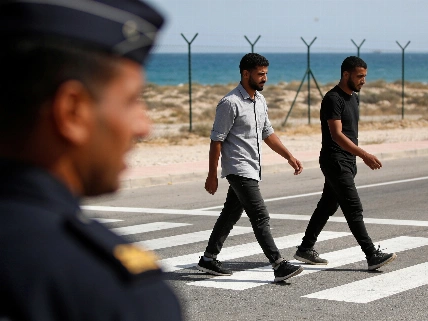
Madrid says children in Ceuta must be moved to other parts of Spain. The Basque Government says its shelters are already full. A disputed meeting has laid bare the gap between solidarity and available space.
The dispute over unaccompanied minors in Ceuta has moved from a closed-door meeting to an open clash between Madrid and the Basque Government. The central government says it asked Euskadi and the three provincial councils to make an additional effort. Basque officials say the meeting was only for exchanging information. They say no files for transferring minors were discussed.
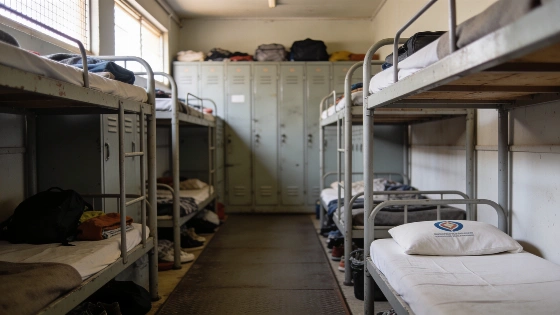
The immediate problem is space. Reports put the number of minors in Ceuta's care at about 2,300. Other recent estimates separate roughly 2,048-2,140 registered minors from a wider population of 2,500-3,000 children and teenagers. Some are still outside the protection system. Basque reception services are already above their stated capacity.
Spain’s Youth and Childhood Minister Sira Rego said that most of the minors who arrived in Ceuta after the July border breach would remain in Spain rather than return to Morocco.
Nerea Melgosa described Tuesday afternoon's meeting in Madrid as part of the regular contacts between the administrations. She said it involved an exchange of information, not negotiations over individual cases involving minors in Ceuta. Melgosa also said the emergency exposed a lack of planning in migration policy. Euskadi's reception services, she stressed, are already full.
The Basque position rests on a clear figure. Euskadi is caring for 1,000 minors, while its reception system has room for 600. Melgosa said the Ministry of Youth and Childhood knows about the pressure. She repeated that the Basque Country has consistently supported a solidarity-based approach to migration. The numbers show a system operating well above its stated capacity. They also raise the question of whether other regions can take new arrivals without more planning and resources.
Spain has a mandatory solidarity-based redistribution mechanism for unaccompanied minors during a migration emergency. Recent coverage and legal commentary say the mechanism is now being considered as a tool for moving children out of Ceuta, although the meeting with Euskadi did not produce an agreed number of places.
Marisol Garmendia said the central government values Euskadi's reception policy and expects Basque institutions to respond in the same spirit of solidarity they have shown before. She said the ministry had asked the Basque Government and the provincial councils to make an effort because protecting children in Ceuta is both a legal and moral duty for every public administration that forms part of the Spanish state. She added that other autonomous communities would receive the same request.
According to Garmendia, Tuesday's meeting did not agree on or discuss a number of places. She still expects an exceptional response because she considers the situation exceptional. The political appeal remains. The practical question does too: where can more children stay when the Basque system is already carrying more than its stated capacity?
The figures from Ceuta explain why Madrid is pressing for transfers to the mainland. Fifty-four minors have already been reunited with their families on the peninsula. More than 300 family reunification files are open. Rego said the first decisions in some cases were expected in the coming days. The most urgent group includes around 500 girls, including children under 13.
The dispute comes after wider pressure on Ceuta's handling of the crisis. A recent Ceuta report examined the government's account of the response and the scrutiny facing ministers. This disagreement is narrower but easier to measure. Madrid is asking for more reception capacity. The Basque side says its existing network is already full.
The facts do not support saying that Euskadi has rejected solidarity. They also do not show that a transfer agreement was reached. They point to a system caught between a legal and moral duty to protect children and a shortage of places. Until those realities are matched with specific capacity, rather than general appeals, Madrid's mainland plan remains a request. The Basque response remains limited by resources.