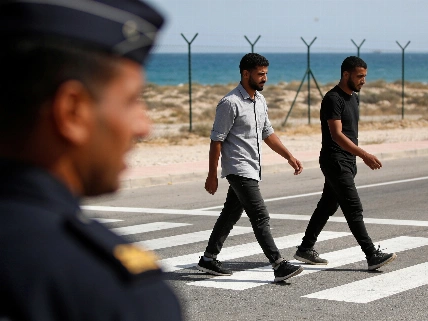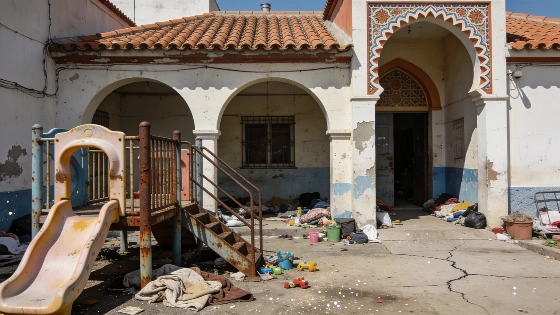
Spain’s Youth and Children Minister is pressing Ceuta to authorize the immediate relocation of unaccompanied migrant minors to the mainland. Madrid says support is ready, but Ceuta has yet to respond.
Spain’s Youth and Children Minister, Sira Rego, has criticized Ceuta’s government for holding up the transfer of unaccompanied migrant minors to the mainland. Madrid insists that all logistical and financial support is already in place, but Ceuta has not responded to the formal request needed to start the process. Rego’s comments came from Paris, after meetings with French and UN child protection officials.
Rego said the central government has provided the necessary funding and legal representation for the minors, as required by Spain’s migration and asylum pact. She noted that Ceuta’s administration, which is legally responsible for the children, has not engaged with Madrid’s proposal. “What remains is for Ceuta to take the step, because they are the ones with custody,” she said. According to government data, Madrid sent a formal proposal to transfer 500 minors to Ceuta on August 28, 2026. As of September 17, Ceuta had not replied.
In mid-September, there were 2,048 registered minors under Ceuta’s care, with an additional 300 children in central government facilities and between 700 and 1,000 still unsupervised on the streets.
Rego expressed frustration at what she called an “incomprehensible” change in approach from Ceuta’s president, Juan Jesús Vivas. She said that until July 30, Madrid and Ceuta regularly cooperated on child transfers, but that cooperation stopped after a surge of arrivals at the end of July 2026. Over two days, about 1,612 children arrived in Ceuta, overwhelming the local child protection system, according to the Ministry of Youth and Children.
While in Paris, Rego met with Sarah El Haïry, France’s high commissioner for childhood, and Najat Maalla M'jid, the UN’s special representative for ending violence against children. Both meetings focused on the need for coordinated action to protect minors stranded at Europe’s borders. Rego also referred to her recent visit to Ceuta, where she discussed reforms to Spain’s immigration law. The government maintains that the only remaining obstacle to the transfer is Ceuta’s formal approval, since funding, accommodation, and legal support are already secured.
Separately, Rego commented on the recent decision by footballers Vinícius Jr, Kylian Mbappé, and Ibrahima Konaté not to wear a full solidarity shirt for Ceuta. She described Mbappé’s explanation—supporting Ceuta but refusing to ignore the suffering of all migrants who have died—as a “deeply human” gesture. Rego said such public statements from well-known athletes send an important message about solidarity and respect for human rights.
The Spanish government has already initiated 10 individual legal cases for minors, following the authorization of lawyer participation as required by the new European migration and asylum framework. This marks the first practical test of Spain’s reformed Article 35 on foreign nationals and the EU’s updated procedures for relocating unaccompanied minors.
The standoff over the fate of unaccompanied minors has brought national attention to Ceuta’s handling of migrant arrivals. The city’s current reluctance to act is a shift from earlier cooperation and raises questions about the reasons for the delay. As previously reported, Ceuta’s migrant infrastructure has faced repeated strain, with security and humanitarian concerns often at odds.
With Madrid’s resources on standby and legal procedures clarified, the process is now blocked by local politics. The longer Ceuta’s government withholds approval, the greater the risk for minors left in limbo. The situation highlights the fragility of cooperation between governments during crises and the need for clear leadership when children’s futures are at stake.