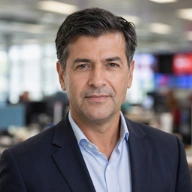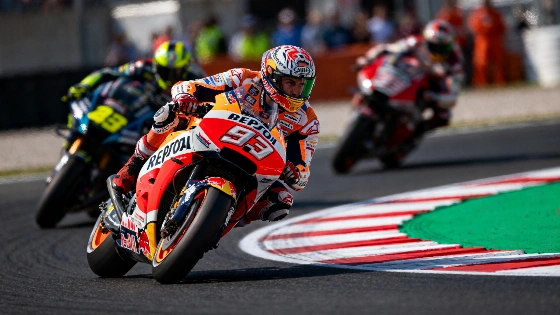
Chicho Lorenzo, known for his candid views and as the father of Jorge Lorenzo, has put Marc Márquez at the center of the MotoGP debate again. In a recent analysis, he described Márquez as someone who "masters the art of war" and called him "the most intelligent of all riders." For Chicho, Márquez couples raw speed with the ability to read races and manage risk, turning situations into strategic advantages.
Márquez’s competitive return has been backed by results. In 2024, after leaving Honda a year before the end of his contract, he joined Gresini Ducati and won three races on the independent team’s Ducati. That season earned him promotion to the factory Ducati team for 2025, a change of manufacturer and technical environment that tested his ability to adapt as well as his speed.
The move culminated in a seventh premier-class title and his ninth world championship across all classes. Márquez secured the 2025 crown at the Japanese Grand Prix, with 541 points and a 201-point advantage over runner-up Alex Márquez at that stage. He finished the season with 11 Grand Prix victories and 14 Sprint wins. It was his first premier-class championship since 2019, ending a six-year wait and turning his return from injury into a championship-winning comeback.
That comeback followed a severe right-arm injury in a crash at the 2020 Spanish Grand Prix in Jerez, which ended his season. Márquez underwent four major operations between 2020 and 2022, followed by extended rehabilitation. The period disrupted his dominant Honda years and left his prospects of returning to title contention uncertain. His subsequent results with Ducati show the scale of his recovery and the challenge of adapting to a new motorcycle and team.
Chicho points to Márquez’s capacity to reinvent himself and remain a basic figure at the top level as a defining trait. He argues that this helps explain why Márquez remains a reference point in MotoGP, even after the most difficult phases of his career. The progression from Honda to a single season with Gresini, followed by a factory Ducati seat and a world title, gives that assessment a concrete competitive context.
Over the years, Chicho Lorenzo has alternated between sharp criticism and strong praise for Márquez, describing him as an exceptional rider while also urging caution in how he is assessed. This time, his comments show clear recognition. He says Márquez’s race intelligence allows him to compete at the highest level and put psychological pressure on rivals, forcing them to match his mental pace as well as his physical one.
The phrase "masters the art of war" captures Chicho’s view that Márquez’s success comes from ambition and tactical awareness, sharpened by a finely tuned competitive mindset and natural talent. In a championship where fractions of a second matter and mistakes can cost valuable points, the ability to read a race and choose when to attack or conserve effort can be decisive.
Márquez’s reputation as one of his generation’s most complex riders is reinforced by his aggressive style, evident in daring maneuvers, and his confidence in extracting performance from difficult situations. For Chicho Lorenzo, his competitive edge lies in turning tension to his advantage and imposing his logic on opponents. The psychological dimension of racing, where riders manage risk and fatigue under pressure, can matter as much as outright speed, particularly across a long season.
Much of Márquez’s legend has been built on this mental battleground, which Chicho believes sets him apart from many other brilliant riders. He sees Márquez as more than a fast competitor: someone who reads the context and his adversaries, then uses the details of a race to his benefit. The 2025 campaign, with victories across both Grand Prix and Sprint formats, showed that his flexibility was matched by sustained results.
Chicho Lorenzo’s perspective also reflects the fact that Márquez remains a polarizing figure. Any discussion of his performance and recovery, including his physical condition, sparks debate. Yet after years of injury and uncertainty, the 2025 championship offered a clear measure of his return to the top: Márquez became a seven-time premier-class champion and a nine-time world champion.
This recognition carries particular weight from someone closely linked to MotoGP’s recent history. Chicho Lorenzo understands the demands and pressure of the category, as well as how much small details matter in a technical, emotionally charged championship.
When Chicho calls Márquez "the most intelligent," he is expressing a judgment shaped by years of observation and analysis. His view reinforces a recurring idea about Marc Márquez: his achievements reflect competitive intelligence and flexibility alongside talent. Those qualities have helped sustain his success through injury and a change of manufacturer, then brought him back to championship contention. For Chicho, that is what separates a great rider from an extraordinary one, and Márquez belongs to the latter group in his eyes.
Marc Márquez’s ninth world title and seventh in the premier class underline his place in MotoGP history. His 2025 championship, six years after his previous premier-class crown, added a new chapter to a career that has paired speed with ability to recover and strategic thinking.