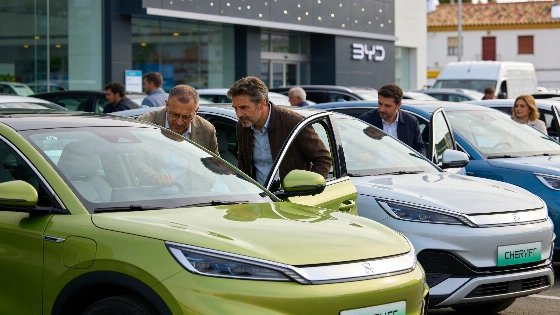
Five out of Spain’s ten top selling plug in hybrids in 2026 are Chinese. BYD and Chery have seized a massive share, outpacing European rivals and forcing a rethink of the market’s future.
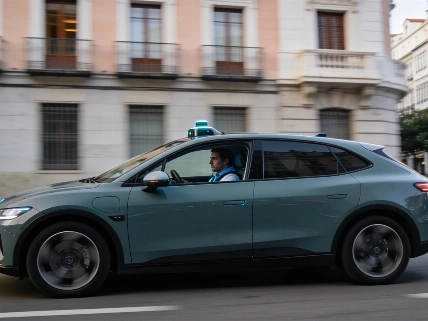
BYD’s Atto 2 DM-i and Seal U DM-i are no longer just new names on Spanish roads. These models are changing the way cars are sold in Spain. In 2026, half of the country’s top ten plug-in hybrids are Chinese. BYD and Chery have jumped ahead, leaving European brands searching for answers.
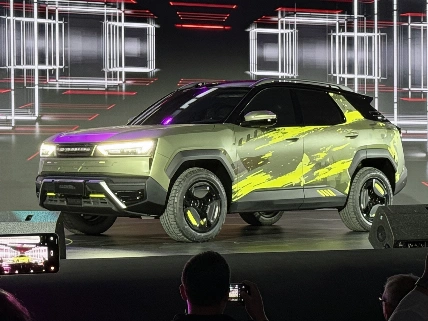
The pace of this change is hard to ignore. Back in 2024, only two Chinese models cracked Spain’s top ten for plug-in hybrids. That’s history now. BYD’s Seal U DM-i has already logged 7,445 units this year. The Atto 2 is set to break 10,000 sales in its first full year. Chery’s Ebro S700, Omoda 7, and Omoda 9 are also in the mix. The bigger picture? Out of the 30 most popular electrified models in Spain, 11 are now Chinese.
According to ACEA, plug-in hybrid registrations in Spain grew by 33.9% in the first eight months of 2026, confirming the rapid expansion of the segment.
There’s a reason behind these numbers. The European Union slapped tariffs on fully electric Chinese cars. Chinese automakers switched gears. They focused on plug-in hybrids, which dodge the new import duties. The result is clear. Chinese PHEV registrations in Europe have tripled. They now make up 34% of the segment, with more than 33,300 monthly deliveries, according to AutoFácil. Official data cited by ICCT shows plug-in hybrids reached about 10% of the European market in 2026. This isn’t just a shuffle—it’s a real shift.
Spain used to lag behind even Portugal in electrified car adoption. That’s changed. The country has now crossed the 20% mark for plug-in market share. Electric and PHEV models are nearly tied. Two years ago, that seemed impossible. ICCT data shows electric vehicles in Spain grew by about 2 percentage points to 10% between January and August 2026. The electrified segment is growing fast.
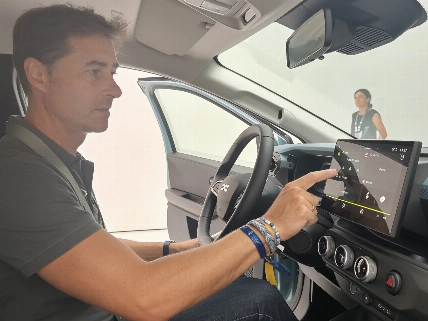
Why are Chinese brands winning? Price and practicality. BYD and Chery sell plug-in hybrids with big batteries. Many can go 100 km or more on electric power in city driving. They come with huge screens and high-end features. The price? European brands can’t match it without losing money. The numbers are simple. Driving 100 km in a Chinese PHEV costs as little as €1.20 to €1.60 on a night tariff. That same trip costs €10 in a non-plug-in hybrid or €14 in a petrol car. Pure electrics are even cheaper to run, but buyers face higher upfront costs or need to stop often for fast charging. Many don’t want that trade-off. Industry commentary and ACEA publications point out that Chinese PHEVs are winning because of their big batteries, long electric range, and lower prices with lots of features. European brands are feeling the squeeze.
After the EU introduced anti-subsidy tariffs on Chinese battery electric vehicles in 2024, Chinese plug-in hybrids were not subject to additional duties and remained at the standard 10% rate. This regulatory gap led to a sharp increase in Chinese PHEV sales across the EU, with BYD and Chery among the main drivers of market growth.
The trend isn’t just Spanish. Across Europe, the numbers are just as sharp. In the latest month on record, BYD registered 26,103 vehicles in Europe. That’s a 131% jump. BYD has now overtaken MG, which led Chinese brands since 2011. Chery Group—including Jaecoo, Omoda, Jetour, and Ebro—posted 24,332 units, up 210%. Over the first eight months of 2026, BYD, MG (SAIC), and Chery Group are neck and neck. Each has sold more than 225,000 vehicles. In total, 913,703 Chinese cars have been registered in Europe this year. Their market share hit a record 11.7%. Industry data shows that in August 2026 alone, BYD registered 20,845 vehicles in the EU and Chery about 14,000. This is happening everywhere, not just in Spain.
Spain’s own figures are even starker. From January to July 2026, BYD registered 26,757 cars. That’s already more than all of 2025. The year-on-year jump is 116.6%. BYD now holds 16.1% of the plug-in market. The Atto 2 DM-i is Spain’s top-selling PHEV, with 7,620 units and 8.3% of the segment. The Atto 2 range has exploded by 1,144.8% this year. That’s not a typo.
What’s driving this surge? Chinese overcapacity is a big part of the story. Domestic demand in China dropped by about 5 million vehicles. But the factories kept running, turning out nearly 30 million cars a year. North America is mostly closed off by a 100% tariff on Chinese EVs. Europe became the obvious target for these exports.
Industry insiders see the Chinese strategy clearly. Instead of fighting for a spot in the fully electric segment—where tariffs and rules are toughest—BYD and Chery went after plug-in hybrids. Spanish buyers aren’t picking “Chinese PHEVs” for the brand. They want 100 km of electric range, a giant screen, and a price €20,000 lower than the nearest Toyota. The value is hard to beat.
But this window may not stay open. The EU is now looking at extending tariffs to Chinese plug-in hybrids. That could shake up the market again. Chinese brands move fast. The BYD Dolphin G DM-i hit Spain’s PHEV top ten in its first full month, with 317 registrations and a 2.2% share. This launch-measure-pivot cycle feels more like a tech startup than a carmaker. European press reports say Brussels has asked Beijing to limit hybrid exports to about 15% of the EU market. If there’s no deal, quotas or other protections could follow.
As reported earlier, Spain’s car market is already shifting. Electrified vehicles are taking a bigger share. The Chinese surge isn’t just about cheap cars. It’s about using regulatory gaps, offering unbeatable value, and moving faster than rivals or lawmakers. What happens next depends on how quickly Europe changes its rules—and how far Chinese brands can push before the door shuts. For now, the numbers are clear. The Trojan horse is inside the gates. The old order is scrambling to keep up.