Forest fires have reignited rural anger over city-driven policies. Farmers blame excessive paperwork and distant decision-makers. Calls for hands-on management grow as traditional practices vanish.
This summer's forest fires have laid bare the disconnect between Spain's rural communities and the urban officials who set land management rules. In places like Baix Empordà, local residents are openly critical of what they see as city-driven bureaucracy. For people living and working in the countryside, the impact of distant decision-making is immediate and personal.
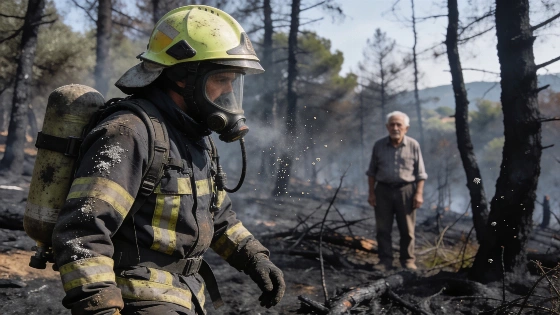
In villages across Spain, conversations have turned tense. Older residents in fire-hit areas such as the Gavarres say their warnings about overgrown brush and neglected forests have gone unheeded. They argue that the current system, heavy on paperwork and restrictions, has left the land more vulnerable than ever. Dense, unmanaged growth now fuels bigger, more destructive fires. According to Copernicus/EFFIS data, Spain had an especially severe fire season in 2026, with 295,720 hectares burned between January and early September—45.6% of all burned area in the European Union during that time.
In Catalonia, authorities imposed a €300,000 fine on a contractor after a fire in Les Gavarres burned 2,200 hectares and forced nearly 40,000 people into confinement during a period of extreme fire risk.
The debate comes down to two opposing views on forest management. Most rural voices want active intervention: clearing brush, thinning trees, grazing, and controlled burns. They see these as basic tools for reducing fire risk and keeping the land healthy. Urban-based supporters of passive management argue that too much clearing dries out the soil and harms biodiversity, saying dead wood helps retain moisture and provides wildlife habitat. The Les Gavarres fire has become a flashpoint, with Catalan authorities not only issuing fines but also opening an administrative investigation into the road maintenance contract, citing violations of strict fire danger rules (Pla Alfa 3).
Firefighting professionals are increasingly outspoken about the risks of relying only on natural forest self-regulation. Marc Castellnou, chief inspector of the GRAF unit of the Generalitat’s fire service, has called the current model unsustainable. He supports a return to active management, including prescribed burns in winter and efforts to revive rural economies so the landscape becomes a patchwork that can slow fires. Recent publications from Catalonia’s fire service echo this, arguing that the current forest management model has "collapsed" and that only proactive steps can prevent future disasters.
On the ground, the situation is bleak. The number of working farmers keeps shrinking, and those left feel buried under regulations written far away. Many are older and find the paperwork especially hard to manage. The feeling of being ruled by people unfamiliar with rural life is widespread.
By early September, Catalan authorities warned that fire risk levels had reached level 4 in 32 municipalities and level 3 in 356 others, urging maximum caution amid ongoing heatwaves. Meanwhile, local governments like Palamós have intensified annual prevention work, completing major brush clearing in areas such as Puig Cargol to reduce vulnerability.
Spain’s rural crisis is not unique. As seen in recent coverage of Ceuta’s border tensions, decisions made in urban centers often have unpredictable effects on local communities. In both cases, the lack of real consultation with those affected has fueled resentment and, at times, political radicalization.
Calls for change are growing. Rural advocates say forest conservation can’t be separated from broader land management, and that real solutions require listening to local expertise. They warn that if governments and the European Union ignore rural voices, more voters may turn to far-right parties that have gained ground by tapping into rural anger.
This summer, simple answers have spread among seasonal visitors and on social media, often echoing the talking points of ultranationalist groups. But forest fires are not a problem that can be solved with slogans or blanket policies. Prevention happens in winter, not during the crisis. Unless policymakers recognize the complexity of rural life and the value of traditional knowledge, Spain’s countryside will remain exposed to both fire and political opportunism. Ignoring those who know the land best is a risk the country can’t keep taking.