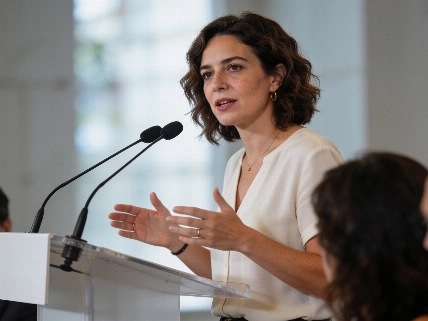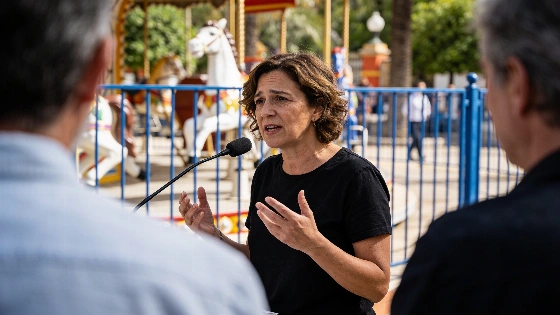
Only 38.8% of people in Andalucía gave their health system a positive assessment in the CIS barometer published in March, 12.8 points below the national average. That figure hung over Frente Amplio’s campaign launch at Isla Mágica in Seville on 14 November, where Ada Colau proposed expanding publicly funded care. She framed the plan as a way to make Spain’s National Health System truly universal and reduce reliance on private providers.
Colau called for dental services to be added to the public system, with coverage progressively extended to at least 50% of Spain’s resident population by the end of a four-year legislative term. Children under 14 and people with disabilities would be among the first covered; the proposal also included people experiencing vulnerability. She also proposed including vision care and publicly financed hearing aids for everyone who needs them, with particular attention to people over 65.
The vision proposal would expand the Ministry of Health’s Plan VEO, which provides annual assistance of up to €100 for glasses and contact lenses for children under 16. Frente Amplio said it wanted to make that assistance available regardless of age or economic circumstances. For women experiencing menopause and the climacteric, the party proposed broader consultations and multidisciplinary care, with individualised assessments. These were campaign proposals, not implemented changes to Spain’s healthcare benefits package.
The event came amid continued attention to the breast cancer screening crisis. Campaign coverage described more than 2,000 women who were not notified of mammogram results, alongside serious delays in follow-up after inconclusive examinations. Colau said Andalucía’s right-wing government was weakening public healthcare and argued that additional resources, funded through higher taxes on the wealthy, were needed to address waiting lists and private-sector business in healthcare. Frente Amplio also proposed mechanisms to control medicine prices and prevent shortages and speculative increases.
Frente Amplio drew about 600 supporters to the rally, the first stop in its official campaign. Enrique Santiago, the coalition’s provincial leader and head of the PCE, urged voters to back its record in government with the PSOE. He presented participation in government as a key difference from Adelante Andalucía, whose leaders have argued for influencing a progressive administration from outside it.
The distinction between regional provision and community-level action is reflected in a Canary Islands health strategy report, which described municipalities joining or seeking to join a local participation programme.
Electoral prospects sharpened that appeal. Published polls cited at the rally suggested Frente Amplio might win one seat in Andalucía, compared with the six secured in 2023. Adelante Andalucía was aiming for three or four seats and had eight members in the regional parliament.
Santiago said Frente Amplio would campaign in government and on the streets, while insisting it was not seeking to take votes from other left-wing parties. He argued that its support in Seville could help secure a left-wing seat and deny one to the PP or Vox.
Other speakers made the government’s record part of the pitch. Toni Valero, IU’s Andalusian coordinator, cited measures including the minimum-wage increase and expanded maternity and paternity leave, policies he said the PSOE would not have adopted without pressure from its left-wing partners. Emilio Delgado, the lead candidate in Madrid, called for a stronger state and said its power was the one arena in which voters could directly decide through elections.