Many French admirers still see Juan Carlos I as a hero of Spain’s transition from Francoism and the 23-F coup attempt, Cécile Thibaud argues. Juan Carlos was Spain’s head of state from 1975 until his abdication on 19 June 2014, when Felipe VI became king. That selective memory overlooks the institutional scandals of his final years on the throne.
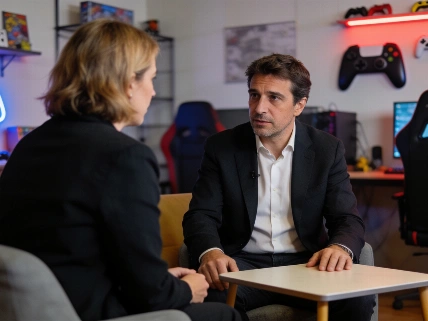
Speaking with José Antonio Zarzalejos on Punto Ciego, the Les Échos correspondent in Madrid said she struggles to understand the awards and warm welcome the former king receives in France. She called him the worst enemy of Felipe VI’s reign and its stability. Felipe inherited the throne amid the reputational crisis surrounding his father and made integrity and transparency central themes, alongside modernizing the institution.
Thibaud tied that judgment to Juan Carlos I’s conduct since he began living outside Spain. Juan Carlos left Spain in August 2020 amid scrutiny of his financial affairs and later returned for private visits; his departure was not a formal legal ban. Spanish authorities investigated allegations concerning his finances, and government official Isabel Rodríguez criticized him for not using an early return visit to explain those investigations. She said his lack of loyalty was difficult to understand while Felipe VI’s monarchy was being consolidated.
She said the French reception largely reflects limited knowledge of the former king’s later years. RUSSPAIN has also covered Almodóvar’s censorship concerns as an intervention by a cultural figure in Spanish public debate. Thibaud’s remarks focus on France’s continued attraction to royal glamour despite its republican tradition. Juan Carlos no longer exercises constitutional functions; Felipe VI is the reigning monarch. The former king’s continued public prominence sits alongside Felipe’s effort to define the institution through stricter standards and transparency reforms.