Compromís is weighing a criminal complaint against Vicent Mompó for alleged false testimony about the 2024 dana emergency. The coalition demands his resignation, citing contradictions in his statements and new evidence from the court.
Political tensions in Valencia have escalated as Compromís announced it is preparing a criminal complaint against Vicent Mompó, president of the Diputación de València and head of the provincial PP, for allegedly giving false testimony regarding the management of the October 2024 dana disaster. The move follows recent statements by Compromís spokespersons Joan Baldoví and Dolors Gimeno, who argue that Mompó misled the court about his role during the emergency response.
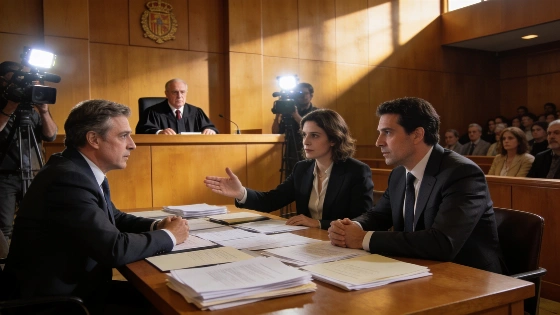
The controversy centers on Mompó’s latest appearance before the judge investigating the deadly dana, which claimed 230 lives in Valencia. According to the court order issued by Judge Nuria Tobarra, there is substantial evidence contradicting Mompó’s claim that the Cecopi emergency committee only discussed the risks posed by the Forata dam, and not the Poyo ravine, whose overflow resulted in 198 fatalities. The judge highlighted testimony from Torrent’s PP mayor, Amparo Folgado, who documented a phone call with Mompó at 18:38 on the day of the disaster, warning him about the critical situation and the overflowing Horteta ravine, a tributary of the Poyo.
Further complicating matters, Amparo Fort, then PP mayor of Chiva, reportedly alerted the provincial fire deputy, Avelino Mascarell—present with Mompó in Cecopi—about the Poyo ravine’s dangerous state earlier that afternoon. Despite these warnings, Mompó told the court he did not recall the calls or the information relayed by his fire deputy, prompting the judge to question the credibility of his testimony and summon him again as a witness on June 30.
Compromís leaders have intensified their criticism, demanding Mompó’s immediate resignation for what they describe as a deliberate attempt to shield his party and himself from accountability. They accuse him of repeatedly denying knowledge of key events, both in court and during parliamentary inquiries, despite being present in Cecopi throughout the crisis. Dolors Gimeno emphasized that Compromís has already submitted a motion in the Diputación to force Mompó’s resignation, citing a pattern of evasive and misleading statements over the past two years.
Mompó, who was not a permanent member of Cecopi but participated actively during the emergency, initially received positive coverage for his visible presence in affected towns and for reportedly urging the rapid deployment of the Es-Alert system, which reached residents’ phones at 20:11. However, the emergence of conflicting accounts from local mayors and his own shifting statements have placed him under renewed scrutiny. Joan Baldoví suggested that Mompó’s actions may be influenced by his ambitions within the PP, as he positions himself for a potential run for the Generalitat presidency, but warned that his conduct disrespects both the victims and the broader Valencian community.
This case is the latest in a series of high-profile legal and political disputes involving Spanish officials and their handling of crisis situations. For example, recent coverage has highlighted how other political figures, such as María Jesús Montero, have faced public and legal challenges over their roles in separate investigations, as seen in the widening SEPI scandal that has drawn national attention to issues of oversight and public trust.
The outcome of the Compromís complaint and the ongoing judicial inquiry could have significant implications for political accountability in Valencia. The dana of October 2024 remains one of the deadliest natural disasters in recent Spanish history, and the management of its aftermath continues to shape the region’s political landscape. The case also underscores the growing demand for transparency and responsibility from public officials, especially in the wake of major emergencies. As the investigation proceeds, attention will remain focused on the testimonies and evidence presented in court, and on whether further resignations or legal actions will follow.