Spain's Congress will vote on two housing decrees this Friday. The session begins at 11:00, with results expected around 15:00 after a separate debate on each measure.
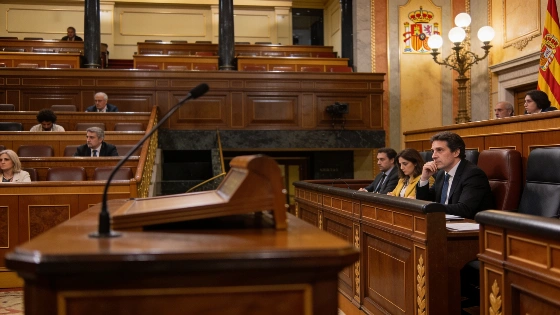
At 11:00 on Friday 2 October 2026, Spain's Congress of Deputies will open an extraordinary sitting on housing. The session could run for about four hours. Results are expected around 15:00, but the timetable may shift if the debate ends early or runs longer.
The sitting follows the eviction of Maricarmen in Madrid. Her case has pushed housing policy deeper into the political fight. The two measures will be debated and voted on separately. They are the only items on the day's agenda.
Real Decreto-ley 26/2026 includes a deduction for renting a habitual residence for some taxpayers whose annual income is below €33,007.20, according to Spain's tax authority.
The first measure is Real Decreto-ley 26/2026, de 29 de septiembre, por el que se adoptan medidas urgentes para la protección de la función social de la vivienda y la ampliación de la oferta de vivienda asequible. The second is Real Decreto-ley 27/2026, de 29 de septiembre, por el que se adoptan medidas urgentes para reforzar la estabilidad de los contratos de arrendamiento de vivienda habitual.
Each decree will follow the same order. Deputies will debate it first and vote afterwards. The Congress schedule gives no exact finishing time. Current estimates put the session at about four hours, which places the expected result window close to 15:00.
The schedule is tight.
The government approved both measures on 29 September, and they entered into force after publication in the BOE. The package is part of a broader sequence of housing initiatives: one earlier decree was ratified and converted into a bill, while another rental package was rejected and lost legal effect.
Neither decree will be folded into one decision. Deputies will address one measure and then the other. The sitting will therefore produce two separate outcomes on the social function of housing and the stability of habitual rental contracts.
Political pressure has grown since the Madrid eviction. The case has been linked to public demands for stronger tenant protection. It has also brought closer attention to the government's response. The earlier housing report described how the case became a focus of demonstrations in Madrid.
Both decrees were approved by the government on 29 September. They took effect after publication in the BOE, but their continuation depends on congressional ratification. The first text, Real Decreto-ley 26/2026, appeared in the BOE on 30 September. Spain's Agencia Tributaria says it brings tax changes affecting IRPF, including incentives for rental income and the rental deduction cited above.
A government briefing from La Moncloa described measures to protect the social function of housing, increase the supply of affordable homes and make habitual rental agreements more stable. It also referred to automatic extensions of rental contracts under certain conditions. The briefing said the approach draws on practices used elsewhere in Europe.
Pedro Sánchez urged parliamentary groups on Thursday to support both royal decree-laws. He presented the choice as one between protecting people who live in homes and protecting those who make fortunes from them. He also contrasted small property owners with vulture funds. In his framing, the issue was the right to housing against speculation.
Citizens had taken to the streets to demand action, Sánchez said. Lawmakers now had to respond, he argued. His intervention makes Friday's sitting a direct test of the government's housing agenda, not a routine parliamentary procedure. Groups such as Junts and Podemos may decide the result. Their positions have been watched closely before the separate votes.
Readers following the result should tune in from 11:00 and allow for changes to the timetable. The start time is the only confirmed point. The 15:00 result window is an estimate based on a projected four-hour debate.
There will be two decisions.
The Madrid eviction has given the session an immediate human focus. Sánchez has made housing protection the central argument for approval. Parliamentary groups will decide whether the measures advance or fall. Friday's vote will provide the clearest practical test yet of the support for the government's response to Spain's housing pressure.