Paula Badosa’s strong clay season and return to the WTA Top 100 were marred by a controversial incident in Iasi. Her actions during the semifinal sparked debate and criticism from tennis figures. The episode may impact her upcoming US Open campaign.
Paula Badosa’s resurgence on the WTA circuit has been clouded by a heated debate after her conduct at the WTA 250 event in Iasi. The Spanish player, who recently secured her first title since 2024 in Bastad and climbed back into the Top 100, was forced to retire from the Iasi final due to injury. However, it was her actions during the semifinal that have drawn the most attention, raising questions about player discipline and officiating standards.
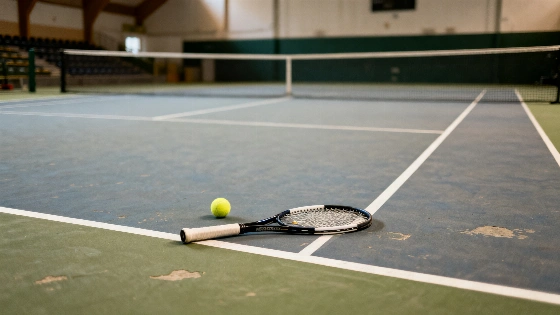
During the semifinal match in Iasi, Badosa, frustrated after missing a shot at the net early in the third set, threw her racquet toward the advertising boards. The racquet narrowly missed the stands, prompting the chair umpire to issue only a warning rather than a disqualification. This decision quickly became a flashpoint on social media, with many questioning whether the rules had been applied strictly enough.
The controversy intensified after Rennae Stubbs, former coach of Serena Williams and a four-time Grand Slam doubles champion, criticized the umpire’s response on her podcast. Stubbs argued that such an action should result in automatic disqualification, emphasizing that players are responsible for their equipment at all times. She insisted that the only way to prevent similar incidents is to enforce the rules without exception when a racquet is thrown and comes close to the crowd.
So far, Badosa has not commented publicly on the incident or the criticism. She has already moved on to Hamburg, where she is set to compete on clay again before heading to the US hard court swing. Her first-round opponent will be Katarzyna Kawa, with Panna Udvardy—whom Badosa defeated en route to the Iasi final—also in her section of the draw.
The episode in Iasi comes at a pivotal moment for Badosa. Her return to the Top 100 ensures direct entry into the main draw of the US Open, a significant milestone after a challenging period. The incident, however, has shifted some focus away from her on-court achievements. Similar moments of tension and unexpected developments have affected other Spanish sports figures recently, as seen when Elsa Pataky missed the World Cup final due to a diverted flight, highlighting how quickly fortunes can change in elite competition.
For context, the WTA’s code of conduct allows for a range of penalties for racquet abuse, from warnings to immediate disqualification, depending on the perceived intent and risk to spectators. While warnings are common, incidents that endanger the crowd typically result in harsher sanctions. Badosa’s case has reignited discussion about consistency in officiating and the balance between player frustration and safety. As the US Open approaches, her ability to move past the controversy and focus on performance will be closely watched by both fans and officials.