COVID-19 is driving the latest rise in respiratory infections in Spain, while flu remains below its seasonal peak. Doctors are calling for caution, not alarm.
COVID-19 is driving the rise in respiratory infections seen in Spain in recent weeks. Influenza is circulating too, but it has not reached its highest point. For now, coronavirus is the main respiratory threat being detected. Spain's SiVIRA surveillance system recorded a rise in COVID-19 incidence in primary care from 8.0 to 11.3 cases per 100,000 inhabitants during the week of 7 to 13 September 2026. Test positivity reached approximately 15 to 16.7%.
María del Mar Tomás, a spokesperson for the Sociedad Española de Enfermedades Infecciosas y Microbiología Clínica (SEIMC), said the increase is most visible in Galicia. Consultations for respiratory infections there rose by about 7% from the previous week. COVID-19 was the main reason for the increase. Regional figures reported by La Voz de Galicia showed that COVID-19 consultations rose by 59.3%, while consultations for influenza fell by 11% over the same period.
Spain's overall rate of acute respiratory infections was about 261.1 cases per 100,000 people in primary care, still below the epidemic threshold reported in the SiVIRA data.
The change comes as people return to schools and workplaces after the summer. More contact between people and longer periods indoors with poor ventilation make it easier for viruses to spread. Holiday travel and gatherings may have added to the spread. Protection against COVID-19 may also have weakened for some older people.
The warning is regional rather than nationwide. Current surveillance data do not point to a new national wave. In Andalusia, health authorities also described infection levels as low. They said the situation would need close monitoring if the rise continues.
Tomás said people over 80 and those with comorbidities need the closest attention. An infection can worsen existing illnesses and lead to hospital admission. More coronavirus cases in hospitals do not mean hospitals are the main place where the virus spreads. COVID-19 is circulating in the community, and many people with mild symptoms may never receive a diagnosis. In Galicia, local reports have still described extra pressure on primary-care consultations, out-of-hours points and hospital emergency departments.
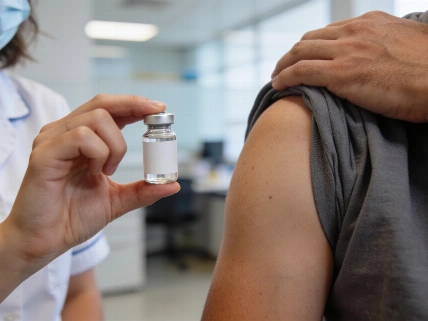
Regional vaccination campaigns against influenza and COVID-19 were scheduled to begin on 28 September 2026 in several parts of Spain, initially prioritising vulnerable groups including residents of care homes.
COVID-19 therefore remains a possibility in respiratory cases even though influenza A incidence is not high. Symptoms alone cannot reliably tell the infections apart. Doctors may need to consider coronavirus when a patient appears to have an ordinary seasonal illness. The current pattern can also be considered alongside recent Galicia coverage, since regional conditions affect how people spend time indoors and move between locations.
Vaccination against flu and COVID-19 is approaching. Tomás said the next few weeks would help determine how the situation should be handled. She pointed to older people and those with comorbidities as groups who may need COVID-19 vaccination. Health authorities and health systems will decide the exact vaccination strategy.
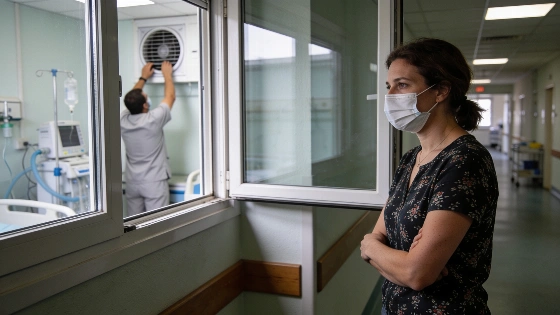
For now, the practical steps are simple. Ventilate rooms. Consider masks where vulnerable people may be exposed, including care homes or crowded transport. These measures matter most when contact with people at higher risk cannot be avoided.
Tomás does not see the current figures as proof that flu season has arrived early. Influenza is more closely linked to falling temperatures and conditions that help it spread. She expects COVID-19 may continue circulating in the coming weeks before colder weather brings more flu and potentially pushes coronavirus into the background. September surveillance showed that influenza was circulating more actively than at the same point a year earlier, but its positivity remained below that of SARS-CoV-2.
The data call for attention without alarm. COVID-19 is leading the current increase, while flu remains below its peak. The people most likely to face serious consequences are already known. Residents should not treat every respiratory symptom as flu. They should also not assume that hospital figures show the full level of community transmission. Ventilation and selective mask use offer practical protection while authorities assess vaccination needs. The focus should be on protecting vulnerable people, not declaring a new respiratory crisis.