Spain has crossed the epidemic threshold for acute respiratory infections. Coronavirus now leads primary care detections and respiratory hospital admissions, while demand for home tests is rising.
Between 21 and 27 September, Spain recorded 476.7 cases of acute respiratory infection per 100,000 inhabitants. The rate stood at 373 the week before. SARS-CoV-2 is driving almost all of the increase, not influenza or respiratory syncytial virus.
The pressure remains low.
The latest SiVIRA surveillance report from the Instituto de Salud Carlos III recorded a clear rise in community transmission. Serious cases requiring hospital care increased more slowly.
Between 14 and 20 September, estimated Covid incidence in primary care rose to 85 cases per 100,000 inhabitants from 50.4 the previous week — an increase of almost 69%.
Among patients arriving at primary care centres with respiratory symptoms, 27.2% tested positive for coronavirus. Influenza accounted for 4.1% and respiratory syncytial virus for 0.2%.
Estimated Covid incidence also rose. It reached 119.2 cases per 100,000 inhabitants, up from 92.6 the week before.
The gap with influenza is clear.
Estimated flu incidence fell to 12 cases per 100,000 inhabitants from 22.5. Respiratory syncytial virus remains at a minimal level.
Genetic surveillance shows that the XFG lineage is now dominant in Spain. It accounts for 55% of cases. XFG is not new, but it has returned strongly. Its spread coincides with a warning from the European Centre for Disease Prevention and Control about the need to monitor it and other internationally tracked lineages.
The 2026 respiratory season in Spain began earlier and with a more visible contribution from Covid than expected. Recent reporting based on surveillance data describes the virus as breaking the previous lull in outpatient respiratory infections, while the main pressure remains outside hospitals for now.
Children are also seeing more bronchitis and bronchiolitis caused by respiratory pathogens. The rate has climbed to 190.2 cases per 100,000 inhabitants. That is almost twice the previous week's level.
Hospital figures show the community rise starting to reach inpatient care. Admissions for severe acute respiratory infection reached 9.2 cases per 100,000 inhabitants, compared with nine the week before.
SARS-CoV-2 was detected in 21% of patients hospitalised with a serious respiratory condition. Influenza accounted for 7% of those admissions.
The surveillance report also connects the epidemic wave with higher overall mortality in the Instituto de Salud Carlos III's MoMo system. Spain recorded 8,137 deaths from all causes during the final week of the month. Statistical models had expected 7,705.
This is not a high-intensity hospital crisis. The increase is already visible beyond testing rooms and doctors' surgeries.
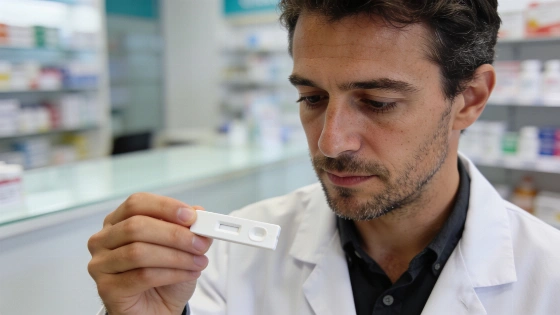
Pharmacies are seeing the change in demand. Bidafarma expects monthly sales of self-diagnostic tests to reach about 60,000 units. Previously, sales stood at roughly 15,000 to 20,000.
Juan Pedro Rísquez, vice-president of the Consejo General de Colegios de Farmacéuticos, said dispensing had increased considerably since early September. He said pharmacies had worked to avoid shortages.
Most cases are mild, Rísquez said. They can still be uncomfortable because of congestion, general malaise and fever.
That is where the wave shows first.
Primary care visits and home testing are rising before hospital pressure has sharply increased. Covid is shaping Spain's respiratory season before influenza becomes the main concern.
Spain has crossed the threshold. Covid is the dominant virus.
Community incidence is rising. Children are facing a steep increase in lower respiratory conditions, and hospital admissions are edging upward. The system remains under low pressure for now, but the trend is moving in the wrong direction.