Bulgaria Wins Eurovision 2026, United Kingdom Comes Last. Dara from Bulgaria has won Eurovision 2026 with her song Bangaranga, scoring 516 points. Israel took second place, while the United Kingdom ended up at the bottom of the ranking with the lowest score.
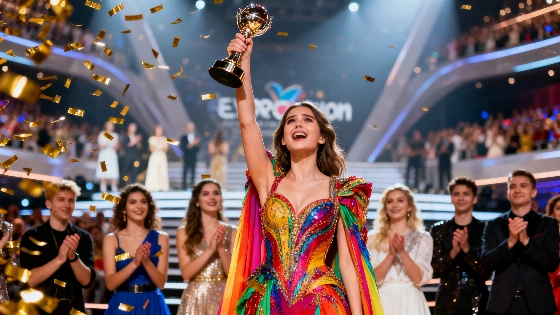
The Eurovision 2026 final ended with a confident victory for Bulgaria: Dara scored 516 points with her song Bangaranga, becoming the clear leader of the contest. Israel took second place with 343 points. The outcome was unexpected—Dara was not among the favorites, but her unusual choreography and memorable chorus won support from both viewers and the jury.
The United Kingdom finished the contest in last place. The country's representative, Sam Battle, performing under the pseudonym Look Mum No Computer with the song Eins, Zwei, Drei, received only one point from the jury and did not score any points in the public vote. Despite the setback, the artist remained calm and upbeat after the results were announced.
The final also featured participants from Romania (Alexandra Capitanescu), Finland (Linda Lampenius and Pete Parkkonen), Serbia (Lavina), and France (Monroe). The broadcast was hosted by Graham Norton, with correspondents Mark Savage, Emma Saunders, and Helen Bushby working backstage. Throughout the show, viewers actively shared photos and messages, following the events live.
The winner was celebrated on stage under a golden shower of confetti, and the trophy was presented by last year's champion JJ. According to the voting results, the British jury awarded its 12 points to France. Bulgaria’s continuous lead throughout the final became one of the evening’s main intrigues.
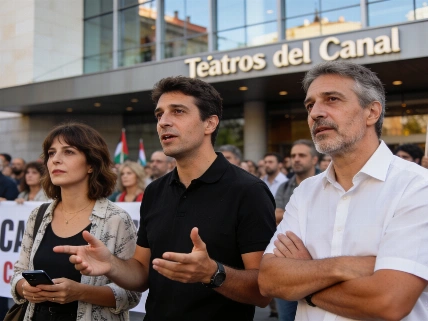
Interest in music competitions in Europe remains high despite occasional scandals and changes in regulations. In 2026, for example, a Spanish TV channel refused to broadcast Eurovision due to Israel's participation, and instead launched its own music project — you can learn more about this in the article about the launch of the new show on the russpain.com website. Such decisions highlight that interest in the format endures, but the approaches to its implementation can change depending on the political and social context.
For reference: Eurovision has been held annually since 1956 and is considered one of the largest music events in Europe. Representatives of more than 40 countries take part in the contest, and the voting system combines the scores of a professional jury and the audience. Dara's victory was the first for Bulgaria in the country's entire Eurovision history.