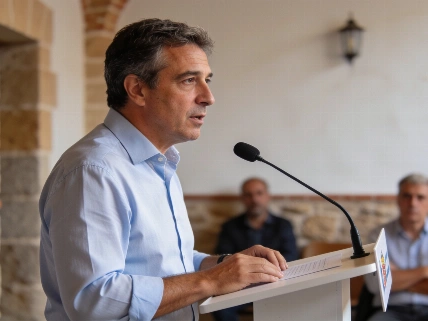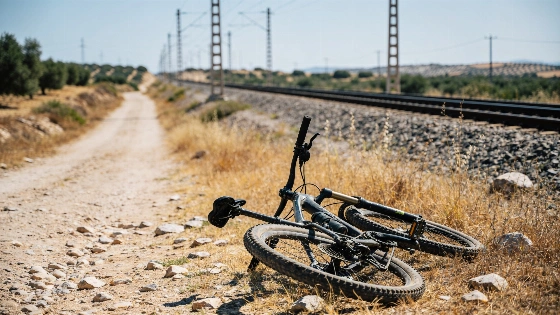
Iñaki Gómez-Pol, the Data Protection Delegate of the Andalusian Parliament, was found lifeless beside his bicycle on a rural path in Huévar del Aljarafe, Seville province. His sudden death on Friday prompted a Guardia Civil investigation into the circumstances of the fatal incident.
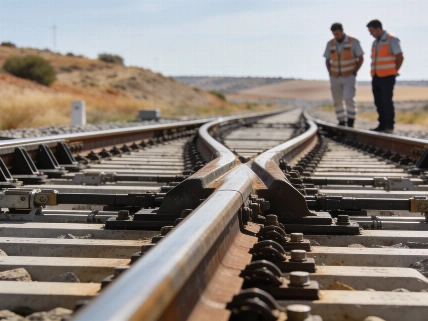
Andalusian Parliament sources said Gómez-Pol, 48, was found on a track near the railway lines between Huévar del Aljarafe and Pilas. Initial findings suggest he may have lost control and left the path, but the precise cause remains unknown. The Guardia Civil confirmed no other vehicles were involved. Investigators are considering both an accident and medical factors as possible explanations for his death.
Gómez-Pol was responsible for data protection in the regional parliament and held similar roles with the Defensor del Pueblo and the Junta Electoral de Andalucía. His professional background included a period at Garrigues Abogados, Diario de Sevilla reported. La Cerca’s report on a parliamentary data-protection conference identifies the deceased as Iñaki González, a different spelling from Gómez-Pol. It says the fifth conference of the Association of Parliamentary Data Protection Officers in Toledo was dedicated to his memory, and credits González with an impressive part in creating the association. The conference addressed the balance between transparency and privacy in parliamentary work. Contributions were to be collected in a commemorative publication.
Spain’s 2025 road-safety figures offer broader context on risks to vulnerable road users, but they do not establish the cause of this death. Figures attributed to the Dirección General de Tráfico and reported by Antena 3 put the national toll at 1,775 road deaths in 103,591 crashes, 10 fewer deaths than in 2024. Serious injuries requiring hospital admission rose 3% to 9,888. In urban areas, vulnerable road users accounted for 81% of fatalities. The toll included 222 pedestrians and 132 motorcyclists; 29 cyclists and 21 users of personal-mobility vehicles also died. Twelve of the cyclists killed were not wearing helmets.
The investigation is ongoing, and the case recalls other incidents in Spain where the cause of death has remained unclear for extended periods. The family of a Barcelona municipal worker, for example, is still waiting for final autopsy results a year after her death, as detailed in this report on delays in death investigations. Such cases show the challenges authorities face in determining whether a death resulted from an accident or a medical issue, among other possibilities.
Cycling is popular in Spain, but safety concerns persist, particularly on less-traveled rural roads. The Guardia Civil is examining the circumstances of Gómez-Pol’s death, and its findings are expected to clarify how he died.