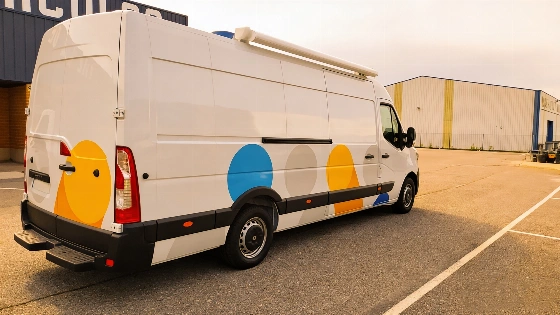
Spain Introduces Remote Vehicle Emissions Control: What Changes for Drivers. Spain is preparing to implement the European DAVER system—now, vehicle emissions will be monitored not only at inspection stations but also remotely, directly on the roads. This will affect millions of drivers and accelerate the renewal of the vehicle fleet.
Spain is launching the implementation of the European DAVER system, which provides for remote monitoring of vehicle emissions directly on the roads. The new technology will allow violations of environmental standards to be detected in real time, significantly changing the rules for car owners, especially those with older diesel models.
Essence of the news
The European Union is launching the DAVER project, which obliges EU countries, including Spain, to implement continuous remote monitoring of vehicle condition and emissions. Special radars will appear on the roads to detect excessive harmful emissions in exhausts and automatically identify violators. This means that environmental control over vehicles will become constant and unpredictable for drivers.
Why it matters
In Spain, where the average age of passenger cars is close to 15 years and the number of inspection failures due to emissions is rising, the new measures could be a turning point. It will now be virtually impossible to evade control or temporarily reduce emissions before inspections. This directly affects owners of older diesel vehicles and those who manipulate exhaust cleaning systems.
Context
Until now, road inspections in Spain have been sporadic and mainly targeted freight transport. The DAVER system makes them permanent and expands coverage to all types of vehicles. The reason is the fight against widespread violations of environmental standards and attempts to bypass technical inspections. The introduction of new technologies coincides with the general European trend toward stricter emissions controls and encouraging the transition to more environmentally friendly vehicles.
Who is affected
- Owners of old diesel and petrol vehicles — the most vulnerable group, at risk of being fined or banned from operating their vehicles.
- Auto repair shops and dealers — will have to adapt to new diagnostics and repair standards.
- Buyers of new cars — may be incentivized to switch to modern and eco-friendly models.
- Owners of electric vehicles — are practically unaffected by the new measures.
What could change
- Stricter controls will result in the accelerated removal of old and polluting vehicles from the market.
- Demand for new and eco-friendly cars, including electric vehicles, may increase.
- Owners of older cars will have to repair them more frequently or consider replacing their vehicles.
- For businesses — a need to invest in fleet renewal and staff training.
What remains unknown
- The exact timeline for mandatory implementation of the DAVER system across Spain and details of the procedure for different regions.
- The size of fines and the procedure for appealing the results of remote inspections.
- Will there be transitional periods or exemptions for certain categories of transport (for example, rural areas or small businesses)?
- How quickly new technologies will prove effective in combating manipulation and actually reducing emissions.
How to avoid misinterpretation
- Remote monitoring does not replace mandatory vehicle inspections at stations—it is an additional measure.
- At this stage, the focus is on implementing the system and pilot projects; widespread fines will only be possible after the official launch.
- Not all vehicles will automatically be subject to penalties—violations are recorded only when the established limits are exceeded.
- Electric cars and low-emission hybrids are virtually unaffected by the new rules.
Conclusion
The implementation of the DAVER system and remote emissions monitoring is an important step toward tightening environmental standards in Spain. Owners of older cars should prepare for new requirements and possible expenses, while the market is anticipating an accelerated renewal of the vehicle fleet. Final details and rollout dates are still being specified—keep an eye on official clarifications and regional specifics.