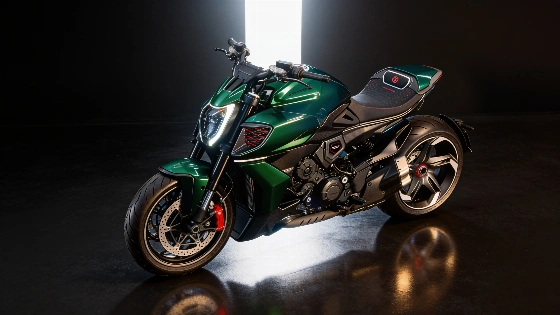
Ducati’s future is at the center of a heated dispute after an Italian investment group claimed to have made a €2.5 billion offer, while Volkswagen firmly denies any sale talks. The standoff leaves the fate of the legendary brand uncertain.
An unexpected standoff has erupted this summer over the fate of Ducati, one of Italy’s most storied motorcycle brands. The controversy began when rumors surfaced that Volkswagen Group, Ducati’s parent company, was considering selling the brand as part of a broader corporate restructuring. Speculation intensified after the Italian investment firm Patritalia publicly declared it had submitted a €2.5 billion bid to acquire Ducati, promising to restore the company’s Italian identity and keep its industrial base in Italy.
Patritalia’s proposal went beyond a simple financial transaction. The firm outlined plans to reinforce Ducati’s historic ties to Italy, including keeping all manufacturing local and focusing on Italian talent in MotoGP. They even floated the idea of developing future racing bikes with artificial intelligence and fielding exclusively Italian riders in top-level competitions. These ambitions quickly drew attention, turning what might have been a routine business story into a headline-grabbing saga.
However, Volkswagen responded swiftly and unequivocally. According to statements reported by Crash.net, a spokesperson for the German group dismissed Patritalia’s claims, insisting that no formal offer had been received and that Ducati remains a highly successful and strategically important part of Volkswagen’s portfolio. The spokesperson highlighted Ducati’s strong product lineup, loyal customer base, and ongoing success in international motorcycle racing, emphasizing that the group regularly reviews its business holdings but had no knowledge of any concrete bid for Ducati.
Patritalia, for its part, doubled down. The investment firm maintained that its offer was real, properly submitted, and fully documented. It challenged Volkswagen’s denial, insisting that the proposal was valid and that it could provide proof of its approach. This direct contradiction has fueled speculation that there may be more happening behind the scenes than either side is willing to reveal.
While the dispute continues, Ducati’s CEO Claudio Domenicali has attempted to calm the situation, stating that no internal discussions about a sale are underway at the company’s headquarters in Borgo Panigale. Still, he acknowledged that any decision would ultimately rest with Volkswagen as the sole shareholder, leaving the door open to future developments.
The uncertainty surrounding Ducati’s ownership comes at a time when the motorcycle industry is undergoing rapid change, with electrification and new technologies reshaping the market. The situation echoes other recent shifts in the automotive world, such as the competition between new electric models like the Skoda Epiq and Renault 4, which was recently compared in detail in a feature on the evolving urban EV landscape.
For now, the future of Ducati remains unresolved. Both Volkswagen and Patritalia are sticking to their stories, and unless new evidence emerges, the legendary Italian brand’s fate will remain one of the summer’s most closely watched mysteries. As the industry continues to evolve, the outcome of this dispute could have lasting implications for the identity and direction of one of motorcycling’s most iconic names.
Background: Ducati was founded in 1926 and has been part of the Volkswagen Group since 2012. The brand is renowned for its racing pedigree and distinctive design. Any change in ownership would mark a significant shift in the European motorcycle landscape.