Eight natural parks in the Valencian Community, including Sierra de Espadán, currently lack directors. The leadership vacuum is raising concerns as wildfires and climate risks intensify, prompting calls for urgent action.
Eight of the 22 natural parks managed by the Generalitat Valenciana are operating without a director. They include Sierra de Espadán, where a major wildfire broke out near La Vall d’Uixó on 25 July 2026. The fire burned about 9,568 hectares, including 3,688 hectares inside the natural park, roughly 12% of its area. The regional government, led by the Partido Popular with parliamentary support from Vox, has left basic positions unfilled for years. Information from the account of the vacancies, all seven parks in Castellón province are without direct leadership.
The regional environment department says five director positions remain vacant, four of them in Castellón. The PSPV-PSOE, but, says seven of the province’s eight parks have lacked directors since 2023. In some cases, one director is responsible for two parks, including Desert de les Palmes and Illes Columbretes. Together, Castellón’s parks cover nearly 50,000 hectares of protected natural heritage, making leadership and coordination impressive concerns for conservation and emergency planning.
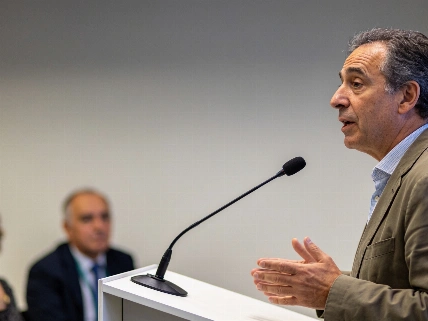
Maria Jiménez, the PSPV’s organization secretary in Castellón and a provincial deputy, has criticized both the previous and current administrations for failing to fill the posts. She says directors coordinate technical teams and protection plans, while overseeing conservation and maintenance work and staying in contact with municipalities. Calling the vacancies “an anomaly,” Jiménez said the parks need “people who make decisions on the ground.” She argued these roles are “more impressive than ever” as drought and heat waves put forests under pressure and heighten wildfire risk. The PSPV also alleges resources for wildfire prevention have been cut by 10% and is calling for that funding to be restored.
The environment department, now headed by José Vicente Martínez Mut of the PP, attributes appointment delays to difficulties finding candidates who meet revised requirements introduced during the previous legislative term. It says park activities have continued and operations in Espadán have increased, while acknowledging that coordination has suffered. The natural-spaces service within the Directorate General of the Natural and Animal Environment has temporarily taken on management duties. The department has also expanded Espadán’s maintenance team to four active brigades. A new president for the park’s governing board was appointed this year, but director appointments remain stalled.
The Generalitat has allocated €4.2 million to emergency recovery work across the fire-affected area. The measures cover forest and trail restoration, alongside repairs to the CV-219 and CV-223 roads and safety improvements. Ecological recovery has also included rebuilding two nests of the threatened Bonelli’s eagle, whose breeding sites were damaged by the blaze. Generalitat environmental agents carried out the work on hard-to-reach rock faces through the Grupo de Intervención en Altura, coordinating with the Servicio de Vida Silvestre y Red Natura 2000.
The PSPV planned to bring a motion to the October session of the Diputación de Castellón, demanding that the Generalitat fill the vacant director posts. It also calls for more park staff and restored wildfire-prevention funding, alongside stable coordination between the regional administration and municipalities linked to protected areas. Jiménez has criticized both the previous administration led by Carlos Mazón and the government led by Juanfran Pérez Llorca, saying: “Neither Mazón resolved it nor has Pérez Llorca done so so far.” The motion’s progress depended on whether the PP-led provincial government allowed it to proceed.
Concerns about natural-park management are not unique to Valencia. In other regions, failures in oversight have had severe consequences. These include the record wildfire in Ávila, linked to unauthorized machinery use and responsible for extensive damage, as reported in coverage of the Ávila wildfire incident. Such cases show why protected areas need strong leadership and clear protocols.
The current political context adds further complexity. The PP-Vox coalition has signaled its intention to open parks to more initiatives while maintaining protection, a move criticized by conservation groups. Vox, now a parliamentary partner in Les Corts, has publicly questioned the scientific consensus on climate change, prompting further concern about the region’s environmental policy direction.
The Valencian Community’s network of natural parks spans diverse ecosystems, from coastal wetlands to mountainous forests. These areas support biodiversity and underpin tourism and local economies. The Serra d’Espadà fire has brought the practical demands of recovery into sharp focus, including trail and road repairs and the rebuilding of wildlife habitat. PSPV representatives say permanent park leadership is needed to coordinate this work and sustain conservation, while helping communities prepare for future emergencies.