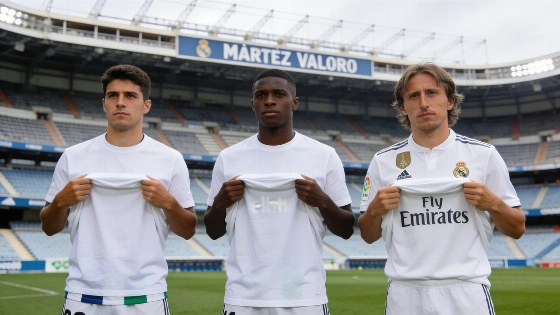
Before kickoff at Martínez Valero, players from Elche and Real Madrid walked onto the field wearing shirts that read "Todos somos caballas" on the front, with Ceuta’s name and the Spanish coat of arms on the back. Organized by the Asociación Valenciana de Empresarios, the shirts were meant to show support for Ceuta, but quickly became a source of controversy.
The situation drew more attention when three Real Madrid players held up the shirts as they entered. Kylian Mbappé and Vinicius Junior were among them; Ibrahima Konaté was the third. Konaté kept his on through the handshake line, while Vinicius and Mbappé took theirs off just after the team photo, before greeting officials and Elche players. Their timing, especially as the last two in the lineup, prompted speculation about whether the gesture was coordinated or if there was more behind it. Real Madrid later said the action was planned and part of a broader campaign at other La Liga matches.
The campaign extended beyond a single gesture, with coordinated shirt displays at multiple matches, all organized by the Asociación Valenciana de Empresarios.
This wasn’t the first time the shirts appeared. The same campaign was visible during the Villarreal CF and Real Betis match, and earlier at UD Levante-FC Barcelona, though Barcelona’s players chose not to take part. The initiative was limited to stadiums in the Valencian Community, but the reaction spread far beyond. Sports media linked the campaign to the recent migration crisis in Ceuta, giving the gesture stronger political overtones than intended.
For some, the fallout was personal. Abde, a Real Betis player with Moroccan roots, wore the shirt at La Cerámica and was immediately targeted with online abuse from Moroccan followers. He ended up disabling comments on his social media and archiving his posts. Later, Abde clarified that he did not mean the gesture as a political statement or an insult to Morocco, and said he was proud of his heritage. In his social media stories, he explained that the shirt was meant to support people facing hardship, not to make a political point.
The shirts were intended to show solidarity with Ceuta and its maritime community, but instead sparked debate about identity and belonging, as well as the limits of gestures in football. Barcelona’s decision not to participate and the backlash faced by players like Abde show how complicated these campaigns can be in Spanish football. The episode played out amid ongoing debates about regional identity and national symbols, issues that often surface in Spanish sport and politics.
Reports linked the solidarity shirt initiative to the tense situation in Ceuta following a mass influx of migrants in late July, helping explain why the gesture quickly took on political overtones.
Real Madrid’s visit to Elche was already under scrutiny because of lineup changes and injuries, but the pre-match display shifted attention to events off the field. Football’s collision with regional pride and political tension remains complicated. The way players removed their shirts, clubs’ selective participation, and the personal consequences for individuals like Abde point to a reality in Spain: football extends beyond the game. Every gesture, but well-meaning, can divide people, even when meant to unite.