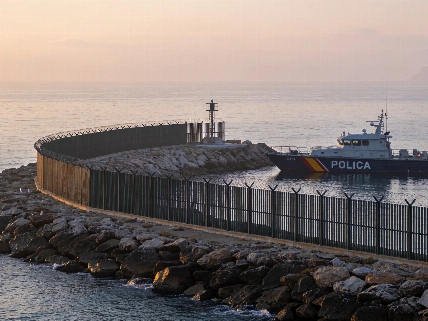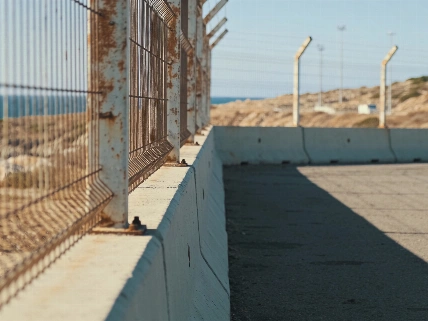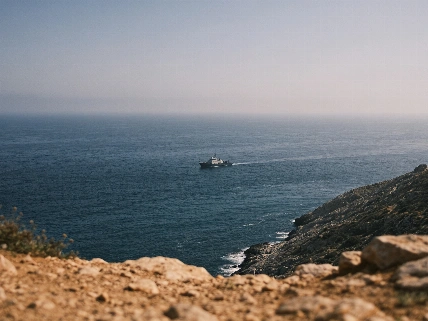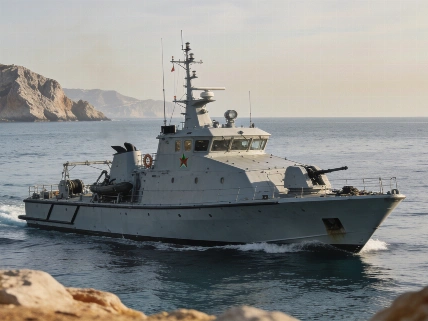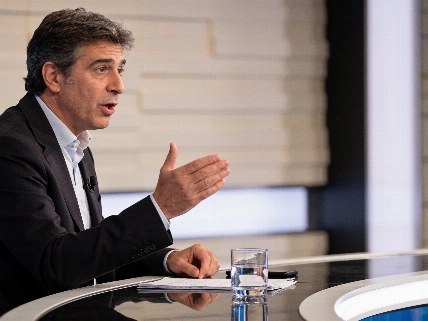
The barriers are set to grow from 50 metres to 150 metres each, Ángel Víctor Torres told the Congressional Permanent Deputation. The project aims to create a continuous floating obstacle stretching for more than half a kilometre.
The emergency intervention has a €5m budget and a three-month execution period. It was announced during a debate on whether to validate the Government of Spain’s decree-law providing €45.3m in extraordinary financial support to Ceuta.
The decree-law splits the funding between two direct grants to the autonomous city. Some €40.6m will cover current spending tied to pressure on essential public services; another €4.7m will pay capital costs arising from urgent emergency and civil-protection measures. The Government said earlier state transfers bring total aid to €88m.
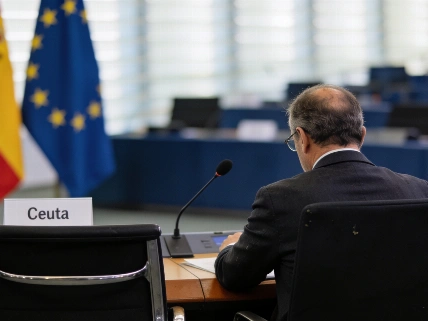
The funding debate unfolded amid wider Spanish and European discussions about Ceuta and Melilla. On 16 November 2026, the Council of the European Union approved Ceuta’s permanent seat on the European Committee of the Regions, an EU advisory body dealing with regional and local policy. Foreign Minister José Manuel Albares also called for greater European attention to the southern land borders. He said the Government sought a permanent institutional Frontex presence in both cities.
The debate coincided with updates on port security and accommodation. Aina Calvo, the Secretary of State for Security, signed the resolution restoring maritime protection level 1 at the Port of Ceuta. The move ends the level 2 alert that had been in force since 8 September, after land within the port was temporarily occupied for humanitarian reception facilities.
Torres also reported that informal camps and shacks had been cleared from the Tarajal industrial area. The operation also covered El Guano and the beaches of Benítez and the Trampolín. Security forces said no groups were sleeping in public spaces or occupying plots in the port area.
At midnight before the parliamentary session, 5,037 people were recorded in public accommodation across Ceuta. That total included 532 unaccompanied minors placed in state facilities for adults because the regional child-protection system was saturated. Separately, the local government was caring for 3,156 minors across ten facilities.
Ministry figures cited in the debate put the number of migrants who had returned to Morocco at 16,475 between 10 August and the time of reporting. The total includes border returns and assisted returns, along with administrative expulsions and voluntary withdrawals of international-protection claims. It counts departures from Ceuta, not the El Hierro arrivals reported on the Canary route.
On 17 November, the Government of Spain described Ceuta as progressively returning to normality. That day, Prime Minister Pedro Sánchez chaired the Government’s Interministerial Commission on Immigration at La Moncloa.
Political groups disagreed over the decree-law and the broader response. Socialist MP Begoña Nasarre defended the resources as a way to ease pressure on residents, while PNV representative Mikel Legarda said his group would support the measure. Popular Party spokesperson Sofía Acedo argued that normality depended on everyone who entered Ceuta in July leaving, not on financial aid alone.
Vox called the situation an “invasion” and sought a permanent military presence, while criticising the absence of a payment timetable. Ione Belarra of Podemos and Aina Vidal of Sumar called for an investigation into alleged military assaults on migrants documented by Amnesty International. They also questioned the lack of transfers to mainland Spain.