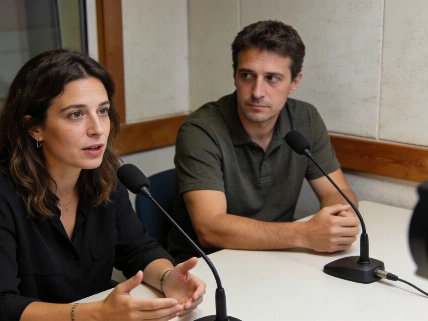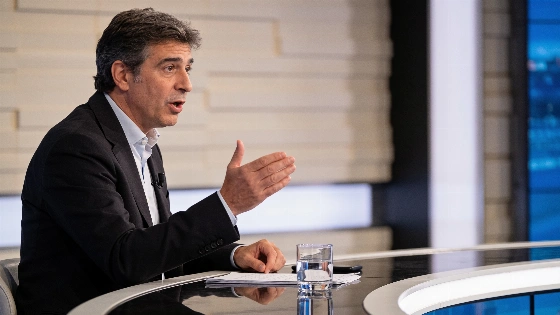
Abad argues that critics on the left use labels such as fascist to dismiss his criticism of the government. In an interview published by EL ESPAÑOL, the presenter said he had voted for Felipe González and José Luis Rodríguez Zapatero but would not vote for Pedro Sánchez, citing what he called common sense. He described himself as centrist and politically neutral, and said his job was to analyse current affairs rather than campaign.
He said insults including “Facho Abad” and “Macho Rabat” did not bother him. Abad also argued that people who know him and work with him understand how he treats his team and supports victims. He said he had received hundreds of WhatsApp messages a day, as well as messages on social media.
His political criticism extended to the government’s approach to Ceuta and Melilla. Abad said the cities deserved the same protection and resources as Madrid or Barcelona, and criticised what he described as repeated concessions to Moroccan pressure over migration. He speculated that the government might have a vulnerability it had not disclosed; he did not claim to know what it was.
Abad also cited Spain’s change of position on Western Sahara, which he said was made without Parliament or the public being consulted. He pointed to the Pegasus hacking of the prime minister’s phone and what he called lax border controls, then said he did not know what might explain the government’s decisions. These were his suspicions, not evidence of a specific arrangement. In an interview published by the Moroccan outlet Yabiladi on 9 November 2026, Prime Minister Pedro Sánchez defended Madrid’s policy as a reassessment after more than five decades of diplomatic deadlock. He said Spain regarded Morocco’s autonomy plan for Western Sahara as the most viable solution, while continuing humanitarian assistance to Sahrawi refugee camps. Sánchez denied that the policy resulted from a trade-off with Rabat. He also said Morocco’s sovereignty over Ceuta and Melilla had not been discussed in bilateral talks, describing Spain’s sovereignty and territorial integrity as a red line.
On public broadcasting, he accused RTVE of becoming a partisan platform and said it should instead provide plural and impartial reporting. He also said he had read that minister Óscar López had given 50 interviews on TVE since becoming a rival of Ayuso, while López had never appeared on En Boca de Todos. A separate analysis by El Mundo, published on 13 November 2026, counted 131 political interviews on RTVE during a 39-day pre-election period: 126 involving figures on the left, including government members and PSOE representatives, and five with representatives of the Partido Popular and Vox. The analysis covered interviews in entertainment and magazine programmes. It listed López and Elma Saiz among the ministers interviewed most frequently. RUSSPAIN has separately covered disputes over political television, including criticism of Abascal’s La Revuelta appearance.
Abad’s account of his work in crime reporting focused more on evidence and victims. He said the genre should help establish the truth and scrutinise failures in the justice or police system, rather than turn suffering into spectacle. Citing the Barbate port case, he said Código 10 presented evidence that people initially detained over the killing of two Civil Guard officers had been wrongly arrested. He said they were released and those responsible were later jailed. Abad has also described his academic background in criminology: he said he began studying the subject at 39, after first studying journalism, and completed the degree over two years while attending classes on Fridays and Saturdays.
He acknowledged that live television leaves room for mistakes, saying he sometimes misjudges his words during long broadcasts. He argued that journalists should report what court decisions establish, drawing on autopsies and forensic evidence, without hiding uncomfortable facts or inventing others. Abad said he would not bring Sarah Santaolalla back to En Boca de Todos, adding that her time on the programme had ended.