The assessment went to the judge investigating the events in Ceuta on 30 and 31 July, when tens of thousands of people crossed from Morocco into the Spanish enclave. The report, seen by laSexta, says the Guardia Civil could not gauge the threat because the information provided by the CNI was partial and insufficient. The government’s widely cited estimate put the number of arrivals at about 72,000, although reported estimates ranged from roughly 70,000 to 100,000.
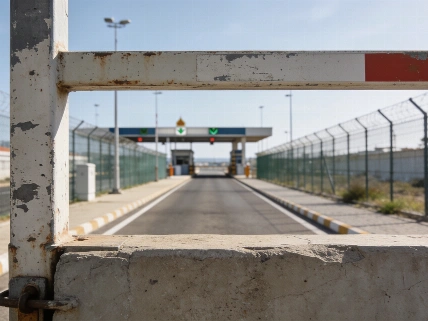
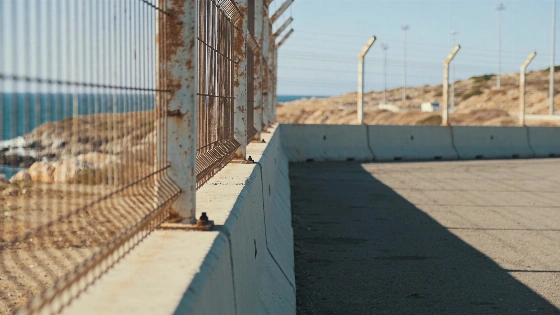
According to the report, the material did not indicate a shift from a routine gathering to an exceptional crisis. It says an early warning would have needed to identify signs such as a critical mass of people capable of exceeding Moroccan security forces’ capacity, or the possible collapse of their containment measures. The report also cites a significant reduction in those measures and a possible lack of willingness to stop entry attempts. A CNI communication sent to Ceuta’s Government Delegation at 13:52 on 29 July referred to a circulating call for people to enter the following day by both the border fence and the sea.
The Guardia Civil says migration pressure was already known and analysed by national actors. They recognised the need to monitor indicators and developments, and to have resources available. The assessment, however, says the situation was not judged to be far more critical than the area’s ordinary conditions at that time. A police report later said the circumstances of the crossings prevented a reliable count. This report concerns the border influx; a separate security case was covered in the Gran Canaria alert report.
In its retrospective analysis, the report describes a sudden convergence of factors as the most likely explanation, while stressing that it was not the only possibility. It says social media helped create an opportunity that influenced a vulnerable group described as socially discontented and emotionally open to change. Contemporary reporting also linked the mobilisation to social-media messages encouraging people to approach the border. The event exceeded the forecasts and resources available on both sides of the border.
Three months after the crossings, CBC reported that as many as 15,000 people remained in Ceuta as authorities began dismantling temporary camps and reception facilities. Figures for subsequent returns varied by counting method: a Guardia Civil estimate cited in reporting put possible returns to Morocco at 88,146, while Inclusion Minister Elma Saiz reported 14,818 formal returns from 10 August, including 14,180 voluntary returns and 638 expulsions.