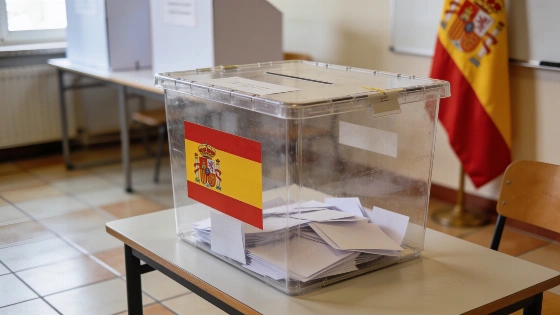
Pedro Sánchez’s call for early elections on November 29 has sent political parties in the Canary Islands scrambling to define their positions. With housing protests and coalition talks intensifying, the region faces a pivotal moment that could redefine its relationship with Madrid.
Spain’s political map changed overnight. Pedro Sánchez moved the general election up to November 29. The news hit the Canary Islands hard. Parties scrambled to react. The announcement landed just as the region faces a housing crisis and the fallout from protest campouts being shut down in both capitals. International media say Sánchez acted after losing two key housing decrees in Congress. This was a blow to the PSOE minority government. It was not just a response to street protests.
For the Partido Socialista Obrero Español (PSOE), the timing is no accident. Elena Máñez, vice-secretary and spokesperson, says the early vote is a chance to put housing and other urgent issues front and center. She wants voters to judge the government’s record on what matters most. CNN reports that housing is now the campaign’s main theme. Recent evictions, including an 87-year-old woman, have sparked protests across Spain. The anger is real.
The early election will take place more than six months ahead of schedule, as regular elections were expected in 2027.
The opposition is not convinced. Manuel Domínguez, regional president of the Partido Popular (PP), calls the election a referendum on what he calls the “very complicated” situation left by Sánchez. He repeats concerns from Isabel Díaz Ayuso and Santiago Abascal about possible irregularities. They want full transparency as the campaign heats up. For the PP, this is about trust, not just policy. Deutsche Welle reports that polls before the announcement showed a PP-led coalition, possibly with Vox, could win. If that happens, it would be the first time since Spain’s transition from Francoism that an ultraright party joins the central government. That would be a first.
Fernando Clavijo of Coalición Canaria (CC) points to the government’s defeats in Congress as the real reason for the snap election. Clavijo, both CC’s secretary general and the Canary Islands’ regional president, wants a campaign focused on real proposals, not just fights. He reminds Madrid that the Canary agenda still needs work, no matter who wins in November. The official process is already moving. Sánchez called an extraordinary Council of Ministers after telling the head of state, as EFE confirmed.
The left is moving fast. The early election has pushed parties left of PSOE—Nueva Canarias, Podemos, Sumar—to try to unite under one banner. Their goal is simple. They want every progressive voice counted and the islands’ problems heard in Madrid.
Sánchez presented the vote as a choice between continuing a course of social justice, openness, and environmental responsibility, or risking the rise of the far right. The snap election also carries political risks for PSOE, as it comes after a parliamentary defeat and at a time when the minority government’s position is weakened.
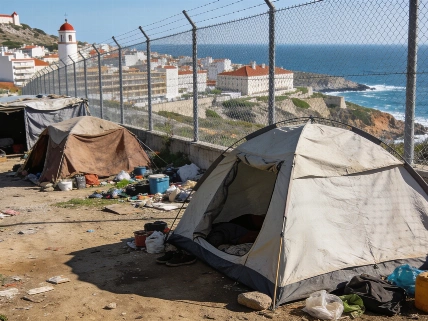
Housing protests have spilled into the streets. Calls for dignified housing are driving the political moment. Protest campouts in both Canary capitals have been suspended. This is a tactical pause, not a surrender. Organizers say the fight for housing rights will go on, even as the election takes over the headlines.
Madrid has seen similar tension. Ayuso’s legal challenge to a protest camp was seen as a move to protect Sánchez’s position. We covered that dynamic in our earlier breakdown.
The campaign machine is rolling. The Canary Islands are not just reacting to Madrid. Local parties are rethinking alliances and priorities on the fly. The outcome will set the balance of power in Spain. It will also shape how the islands deal with the central government. The stakes are clear. For the Canaries, this is more than a vote. It is a test of political will. Local voices want to be heard.