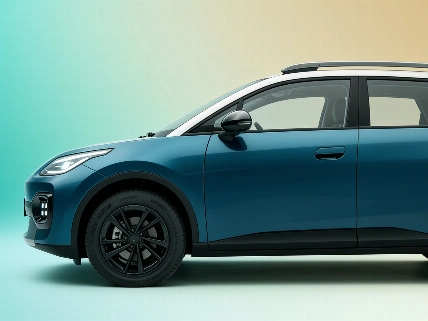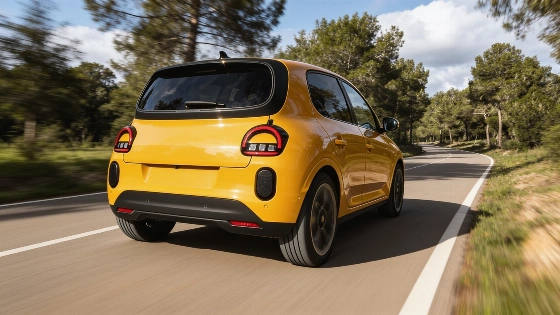
For the first time, six electric cars are technically available in Spain for under 15,000 euros—if buyers combine discounts, financing, and public incentives. The real price depends on the details, but the market is changing quickly.
Six carmakers—Citroën, Dacia, Leapmotor, BYD, Renault, and Geely—are now advertising electric cars in Spain for less than 15,000 euros. This price, once out of reach for zero-emission vehicles, is possible only by combining several discounts: manufacturer promotions, government-backed Plan Auto+ advances, and incentives tied to Energy Savings Certificates (CAE). According to the Ministry for the Ecological Transition, Plan Auto+ has been active since January 2026, offering up to 4,500 euros per electric car for private buyers, with a budget of 350 million euros. These government funds are a big part of how such low prices are possible, but only when stacked with other deals and dealer offers.
But the advertised prices come with plenty of conditions. None of these cars are available at that figure for a simple cash purchase. Buyers have to navigate financing requirements, promotional rules, and eligibility for public subsidies. Once you add interest, fees, and final balloon payments, the total cost can rise quickly. Industry sources confirm that the "psychological barrier" of 15,000 euros is usually reached only for specific versions and almost always requires financing, not a straightforward cash deal.
BYD has introduced an additional 500 euro discount across its entire electric lineup in Spain, stackable with Plan Auto+ and CAE incentives, making sub-15,000 euro pricing possible only through a combination of multiple offers.
Who actually qualifies?
The Citroën e-C3 leads the list, with a promotional price of 11,700 euros for the You and Tonic Urban Range trims. This includes VAT, registration tax, and transport, but not all delivery and registration costs. Automotive publications note that the standard retail price for the ë-C3 is much higher than these aggressive offers, showing just how much the incentives matter. Dacia’s Spring Expression comes in at 11,920 euros—if you finance and qualify for both the Plan Auto+ advance and an 800 euro CAE-linked contribution. There’s a catch: if the government later denies the subsidy, the buyer still has to pay back the advanced amount.
Leapmotor’s T03 Design, with a 37.3 kWh battery, is officially listed at 12,950 euros, but only if you finance at least 5,000 euros for at least 36 months. BYD’s Dolphin Surf Active is available for 12,955 euros under a September campaign, but only for a specific configuration and with all incentives stacked. Renault’s Twingo E-Tech Evolution is listed at 14,293.20 euros, and the Geely E2 Pro at 14,490 euros—again, both require financing and every available discount. The government says Plan Auto+ is meant to be combined with tax benefits and centralized applications through the Ministry of Industry, making it less fragmented than older regional programs.
The fine print
Every offer comes with strings attached. The promotional prices are calculated before adding interest, opening fees, or final installment payments. In some cases, like Dacia’s Spring, the risk of subsidy denial falls on the buyer. The Geely E2 Pro, for example, starts at a cash price of 20,280 euros, but only drops below 15,000 euros after launch discounts, financing, and the Plan Auto+ advance. The real cost over time can be much higher than the headline number.
According to sector publications, the surge in plug-in car sales in Spain has been so rapid that the Auto+ subsidy budget may be exhausted as early as October 2026, meaning these low promotional prices could be short-lived if public funds run out before year-end.
Not every electric city car makes the cut. The Fiat Grande Panda electric Pop, for example, stays above the threshold even after all incentives, with a minimum financed price of 21,235.57 euros. Volkswagen’s ID. Polo Match, MG4 EV Urban, and Dongfeng Box also remain above 15,000 euros, with their best offers ranging from 17,740 to 18,170 euros, even after applying the Plan Auto+ advance.
What this means for buyers
This new wave of sub-15,000 euro electric cars is a real shift for Spain’s car market. For buyers willing to accept the conditions, the entry price for electric vehicles is lower than ever. Still, the complexity of the offers and the reliance on public subsidies mean that real affordability depends on each buyer’s situation and risk tolerance. The electric vehicle market is changing quickly, with manufacturers and policymakers both pushing to make zero-emission cars more accessible. The Ministry for the Ecological Transition has also set aside another 150 million euros for charging infrastructure, aiming to support the shift to electric mobility.
According to Google/SpainAuto, these offers are currently available in mainland Spain and the Balearic Islands, but buyers should read the terms carefully before signing. The push to make electric cars affordable is real, but the fine print matters as much as the sticker price. For now, Spain’s market is at a turning point: affordable electric cars are closer than ever, but only for those willing to navigate the details and accept the trade-offs behind the headline prices.