Replacing the entire electrical system in an older home has become a major financial hurdle for Spanish homeowners. Experienced electricians say rewiring a flat between 70 and 100 square meters can cost more than €6,000. The final bill depends on the property’s size and the condition of its existing wiring, along with the complexity of the installation and any building work required.
For a full renovation, estimates range from €3,600 to €6,500, with some projects approaching €7,000. Independent Spanish renovation-cost guidance puts a complete electrical installation at roughly €3,000 to €9,000 overall; for a flat of about 80 square meters, its estimate is €3,000 to €7,000. These are indicative market figures, not a national tariff. A cost breakdown puts a new electrical panel at €600 to €2,000, cabling and conduits at €1,800 to €3,500, switches and sockets at €400 to €900, and the installation certificate at €120 to €250. The items depend on the job’s scope and should not be treated as a fixed price list that applies universally.
What Drives the Price Up?
Three factors weigh heavily on the final quote: floor area, the age and condition of the wiring, and the extent of associated building work. Replacing a damaged line or adapting a panel is a different job from removing an entire installation, redistributing circuits, adding dedicated lines for high-powered appliances, or repairing walls. The number of lighting points also affects the total: estimates put the charge at around €30 to €47 per point, with the panel and certificate priced separately.
Modern upgrades, such as automated blinds or smart-home controls, can add to the budget. Two homes of similar size may receive very different quotes if conduits can be reused in one but walls must be opened in the other. In older buildings, the electrician may also need to assess the panel and protective devices, along with grounding and whether existing circuits can remain. A property’s age alone does not determine whether it needs a panel upgrade, selected circuit replacements, or a complete rewire.
Hidden Costs and Building Work
Electrical work often goes hand in hand with construction. Opening walls to lay new cables can bring extra costs for masonry, plastering, and repainting. Some companies include this work in their quotes, while others bill it separately. Homeowners should request an itemized estimate identifying the circuits, materials, electrical panel, wall repairs, certification, taxes, and any other included work.
The process typically starts with an inspection of the existing panel and wiring, followed by a detailed quotation. Installation may involve opening walls, laying cables and conduits, updating protections, and testing the completed system. The amount of wall work can make a large difference to the total, even in homes with similar floor areas.
When Is a Full Rewire Needed?
Warning signs that an electrical system needs attention include frequently tripping circuit breakers, hot outlets, visible sparks, outdated fuses, or a lack of grounding. These symptoms call for an assessment by a qualified electrician, who can determine whether the problem requires a targeted repair or more extensive replacement. In flats from the 1960s and 1970s, for example, the right intervention may range from adapting the panel to replacing complete circuits.
Spain’s low-voltage installations are governed by the Low Voltage Electrotechnical Regulation, approved by Royal Decree 842/2002. It sets technical requirements for domestic installations, covering circuits and conductors as well as grounding and protective systems. Coordinating electrical upgrades with other building work can help avoid reopening walls or floors later. It also lets the electrician plan the number and placement of sockets, lighting points, and circuits around the household’s needs.
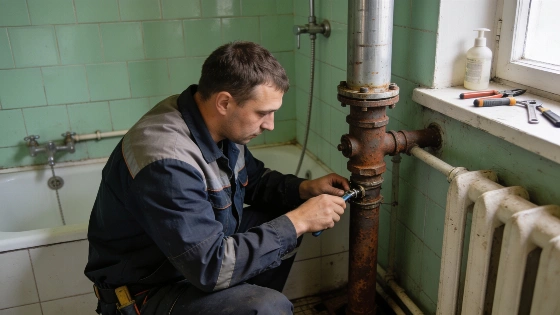
As seen in other renovation stories, such as a Madrid plumber who turned old copper pipes into unexpected profit by recycling them (see how hidden value can emerge during home upgrades), the true cost and benefit of a renovation often go beyond the initial estimate.
Certification and Final Steps
After qualifying electrical work, the installation may need a Certificado de Instalación Eléctrica (CIE), commonly known as the “boletín eléctrico.” The document certifies that the completed installation meets applicable technical requirements. Independent cost estimates put the certificate at about €120 to €250, though the amount charged can vary with the work and its complexity. It is separate from regulated electricity-connection charges, which may apply to a new or changed supply connection and are not the cost of rewiring a home.
Before starting a major renovation, homeowners should have the existing system inspected and obtain a quote that clearly separates electrical installation, certification, and building repairs. A carefully scoped upgrade can address safety requirements while reducing the risk of unexpected costs or having to reopen finished walls later.