Elisa Mouliaá appeared before a Madrid judge after missing three court dates. The judge had ordered her arrest following a complaint by Íñigo Errejón. The case centers on allegations of witness manipulation and a prior assault accusation.
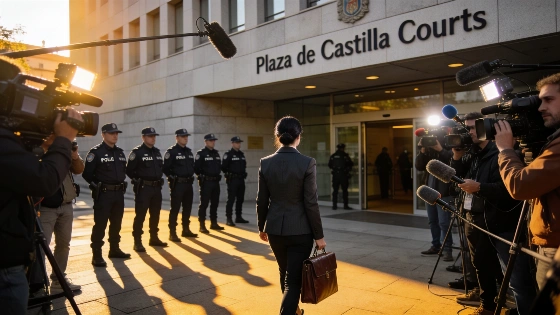
Elisa Mouliaá, the Spanish actress at the center of a high-profile legal dispute, appeared at the Plaza de Castilla courts in Madrid on Wednesday. Her appearance followed a judicial order for her arrest, issued after she failed to attend three previous court summonses related to a complaint filed by former deputy Íñigo Errejón. The case has drawn attention due to its links to earlier allegations of assault and ongoing accusations between the two parties.
The judge, Arturo Zamarriego, had signed the arrest order on June 16, aiming to compel Mouliaá to testify after her repeated absences. According to a statement from the actress, she returned to Spain voluntarily from abroad to comply with the court's demands. She explained that her earlier absences were due to professional obligations outside the country and medical reasons, both of which she claims were documented and submitted to the court.
The legal conflict began more than a year and a half ago, when Mouliaá accused Errejón of sexual assault during a 2021 party. Since then, both sides have filed complaints and counter-complaints. The current proceedings focus on Errejón's claim that Mouliaá publicly accused him of manipulating two witnesses from the same party. Judge Zamarriego is overseeing this aspect of the case in Madrid's Court of Instruction No. 9.
This latest development adds another layer to a case that has already seen significant public and legal scrutiny. The dispute highlights the complexities of high-profile legal battles in Spain, where public figures often face intense media attention and legal challenges. In Spain, failing to attend a court summons can result in an arrest order, especially in cases involving ongoing disputes or allegations of witness tampering. The Spanish legal system allows for such measures to ensure compliance and the proper functioning of judicial proceedings.
Cases involving public figures and allegations of misconduct have become increasingly visible in recent years, reflecting broader debates about accountability and due process. The outcome of this case may influence how similar disputes are handled in the future, particularly regarding the obligations of those involved to appear before the courts and the consequences of non-compliance.