A 37-year-old Argentine engineer was fatally stabbed in his Madrid home. Police identified the attacker as a 65-year-old man obsessed with his wife's suspected infidelity. The suspect took his own life in Ávila the next day.
A violent crime in Madrid’s Las Tablas district has left investigators with a closed case after the main suspect, a 65-year-old Spanish man named Alberto Juan, died by suicide less than a day after allegedly killing Facundo Rico, a 37-year-old engineer of Argentine origin. The incident, which unfolded on June 14, has drawn attention for its personal motives and the swift, tragic end of the investigation.
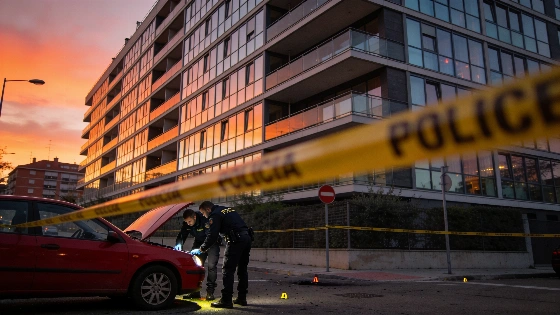
According to police sources, Alberto Juan entered Rico’s home in Las Tablas, where a confrontation escalated into a deadly attack. The engineer was stabbed 13 times, with several wounds to his back and shoulder. The assailant fled the scene, leaving the murder weapon behind, and was captured on security cameras as he exited the building. The building’s doorman, Carlos, reported encountering a stranger shortly after hearing screams and detecting a chemical odor, believed to be from pepper spray carried by the attacker.
Investigators quickly focused on a possible motive rooted in jealousy. Testimonies from Rico’s acquaintances pointed to a suspected relationship between the victim and the wife of Alberto Juan. The couple, who owned a second home in Adrada, Ávila, had reportedly been experiencing marital difficulties, with the wife seeking separation. Police discovered that both the victim and the woman attended the same gym near Rico’s residence, fueling suspicions of a personal connection.
After the attack, Alberto Juan drove his red car to Adrada, where his wife was staying. He told her he had been running errands, and she did not question his activities further. The following morning, as news of the murder spread and the victim’s identity became public, Alberto Juan went to a nearby gorge and ended his life. His wife was left in shock when police informed her of the suspicions against her late husband, initially refusing to believe the allegations.
The case will not proceed to trial, as the suspect’s death precludes further legal action. Police in Madrid’s Homicide Group V had gathered substantial evidence, including video footage and witness statements, but the investigation is now considered closed. The emotional toll on the victim’s circle and the suspect’s family remains significant, with the wife reportedly struggling with feelings of guilt despite not being responsible for her husband’s actions.
This incident highlights the complexities of crimes driven by personal relationships and the challenges authorities face when suspects evade justice through suicide. Similar cases have tested Spain’s judicial system in recent years, as seen when Madrid’s specialized court for youth violence faced a surge in cases and resource shortages, underscoring the ongoing pressures on law enforcement and the courts.
Las Tablas, a rapidly growing residential area in northern Madrid, has seen increased attention from authorities due to its changing demographics and rising property values. While violent crime remains relatively rare in the district, this case has sparked renewed discussion about domestic conflicts and their sometimes tragic consequences. The investigation’s swift resolution, though incomplete, reflects the efficiency of police work but also the limitations imposed when suspects are no longer alive to stand trial.