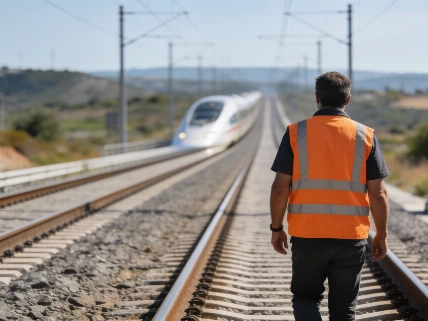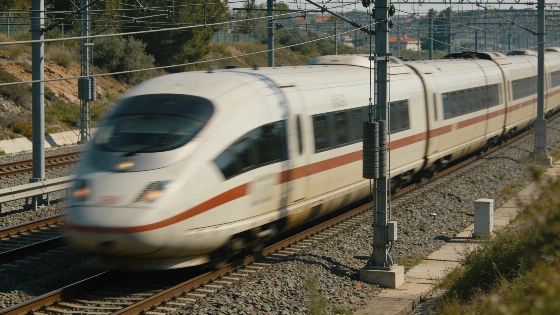
More than 40,000 passengers use the Madrid-Barcelona high-speed corridor each day. That figure lies at the heart of a dispute over a proposal to suspend all services while extensive work is carried out on the line.
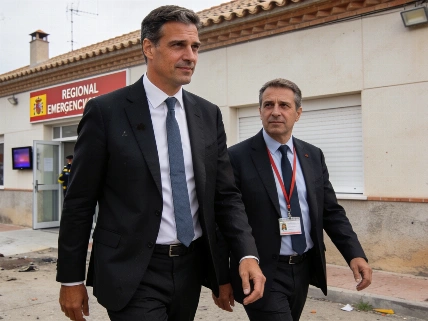
Pere Calvet, dean of the College of Civil Engineers in Catalonia, supports a thorough intervention to improve safety but says trains should continue running at a reduced frequency. He told reporters that closing the corridor completely might speed up the work, but questioned whether a line that busy could be shut altogether.
Pimec, the Catalan small and medium-sized business association, also backs infrastructure renewal while opposing a complete suspension. It says decisions should account for the effects on passenger mobility and business activity. The group also calls for planning with economic stakeholders and alternatives that preserve the Madrid-Barcelona connection.
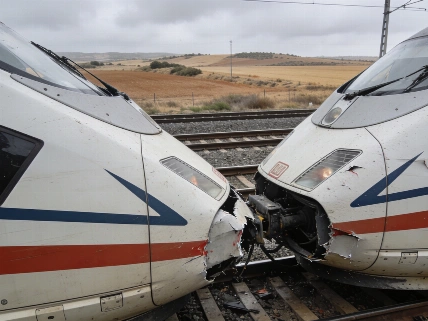
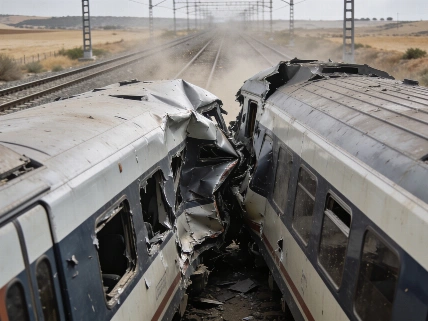
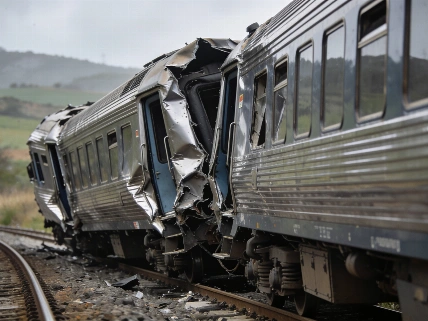
Transport Minister Óscar Puente has raised the possibility of stopping traffic for months while the 600-kilometre line is renewed. The overhaul was already scheduled for 2027. Puente argued that a full closure could cut a five-year programme of works to 24 or 12 months, but would leave passengers without the service. His proposal comes amid scrutiny after the fatal Toledo collision, covered in an earlier report. On 28 October 2026, a Renfe high-speed train struck the rear of a stationary Iryo train near Urda in Toledo province, on the Madrid-Seville corridor. Reuters reported that at least 68 people were killed; more than 100 injured people were admitted to hospitals, according to regional authorities. The crash followed a failure in the LZB train-control system that halted traffic across about 63 kilometres and affected six trains. Transport Minister Óscar Puente said traffic stopped at about 8:30 a.m. and the collision occurred at about 8:53 a.m. He said the Renfe train was allowed to resume its journey despite an active red signal protecting the stationary train ahead. ADIF suspended high-speed traffic on the Madrid-Andalusia line, and Prime Minister Pedro Sánchez declared three days of national mourning. The investigation was continuing.
The route is Spain’s busiest high-speed line and has the network’s greatest train density. The section between Madrid and Lleida opened in 2006. Renfe operates there alongside Iryo, while Ouigo is also a competitor.
Calvet has also called for a state pact that would give Adif and Renfe more stable, long-term management. He said Adif had seven presidents in 14 years and argued that the public rail companies may need to be re-founded, with stable leadership and enough railway experience among their teams.
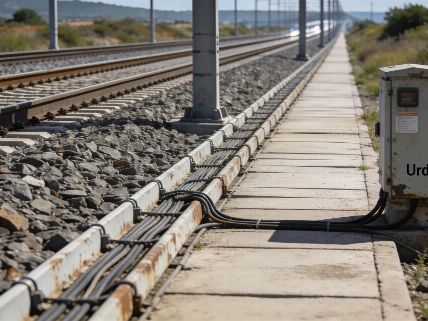
He praised the safety of railway signalling systems but questioned whether their maintenance had kept pace with the demands placed on them. Calvet said maintenance had probably fallen short.