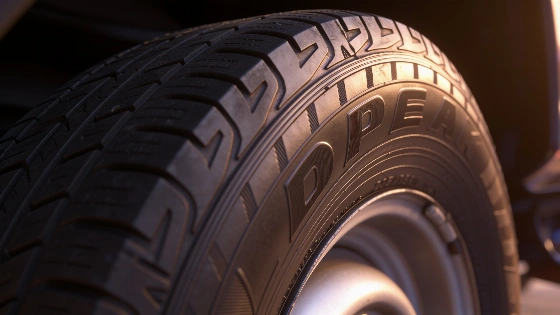
The European Commission has imposed steep tariffs on Chinese tyre imports, aiming to shield European manufacturers from underpriced competition. The move could drive up prices for millions of drivers across the continent.
Chinese-made tyres entering the European Union now face tariffs as high as 45.3%, following a decisive move by the European Commission to counter what it describes as unfair pricing practices. The new duties, announced after a detailed investigation, are designed to protect European tyre makers from a flood of low-cost imports that have rapidly gained ground in recent years.
Between 2021 and 2024, Chinese tyres expanded their share of the European market from 18% to 28%, with around 93 million units imported in 2024 alone. This surge has been driven largely by aggressive pricing, with Chinese brands often selling tyres well below the rates of established European names such as Michelin, Pirelli, and Continental. For many drivers, especially those unwilling or unable to pay premium prices, these budget options have become increasingly attractive.
Tariffs and Their Impact
The new tariffs apply to tyres for passenger cars and light commercial vehicles, and are calculated on the import value rather than the retail price. According to the Commission, the average import value of a Chinese tyre in 2024 was €30.30. A 45.3% tariff adds roughly €13.70 per tyre, while a reduced rate of 24.4%—granted to companies that cooperated with the EU investigation—raises the cost by about €7.40. After VAT and distributor margins, the final price increase for consumers is expected to range from €9 to €16 per tyre, with the low-cost segment most affected.
These measures follow similar EU actions against Chinese electric vehicles, which have also been subject to tariffs due to concerns over state subsidies and market distortion. The Commission's investigation, launched in May 2025 after a complaint from the Coalition Against Unfair Tyre Imports, found evidence of dumping margins between 41% and 104%, with Chinese tyres often selling 30% to 65% below market prices.
Winners, Losers, and Exceptions
Not all manufacturers are hit equally. South Korean brand Hankook, which operates factories in China, received a much lower tariff of 4.3% after investigators determined its products, typically positioned in the mid-to-high segment, had minimal impact on European industry despite some dumping activity. Most other Chinese producers, including Shandong Yongsheng, face the full 45.3% rate unless they qualified for the reduced tariff by cooperating with the EU probe.
Chinese exporters and European importers have rejected the Commission's findings, warning that the tariffs could lead to higher prices and potential shortages in the budget tyre segment. However, the Commission maintains that European manufacturers have lost production volume, sales, and market share despite overall growth in the new tyre market.
Broader Context and Industry Response
The EU's crackdown on Chinese tyres is part of a wider effort to defend European industry from what it sees as unfair competition from China. Similar tensions have played out in the electric vehicle sector, where Chinese brands have made rapid inroads thanks to aggressive pricing and government support. For example, the rise of Chinese plug-in hybrids and electric SUVs has already reshaped the European automotive landscape, as seen in the recent launch of high-powered models like the Geely Galaxy Cruiser 700, which has challenged established players with its bold specs and pricing (see more on the impact of Chinese EVs here).
Looking ahead, the new tariffs are likely to reshape the tyre market in Europe, especially for cost-conscious consumers. While the Commission argues that the measures are necessary to restore fair competition, the full impact on prices, supply, and consumer choice will become clearer as the policy takes effect. For now, European tyre makers have gained a reprieve, but the debate over how to balance open markets with industrial protection is far from settled.